How Better Water Quality Can Protect Your Appliances and Improve Everyday Life
Replacing a dishwasher or water heater is rarely something homeowners look forward to. Apart from the expense, there’s the inconvenience of arranging installation and adjusting your routine while everything gets sorted out. What many people overlook, however, is the role water quality can play in the condition and performance of household equipment.
One potential benefit of appropriate water treatment is an extended appliance lifespan, particularly when treatment helps reduce the mineral deposits that contribute to wear and recurring maintenance problems.
But protecting appliances is only one part of the picture. Better water can also make cleaning easier, improve the taste of beverages, and address specific drinking water concerns.
The secret is understanding what your household actually needs rather than investing in equipment simply because it promises impressive results.
The Hidden Effects of Hard Water on Household Appliances
Hard water contains dissolved calcium and magnesium, naturally occurring minerals that can leave deposits behind when water is heated or evaporates.
You might already recognize these deposits from the chalky coating inside your kettle or the white marks surrounding your bathroom faucets.
Inside certain appliances, however, mineral accumulation is less noticeable.
Water heaters may develop scale on heating surfaces, potentially interfering with heat transfer. Dishwashers can experience mineral deposits, while washing machines may require additional maintenance under certain water conditions.
These problems don’t necessarily appear overnight. They tend to develop gradually, which makes them easy to overlook.
Related context Making Better Water Part of Everyday Life: A Practical Guide for Homeowners
Appropriate water softening can help limit future mineral accumulation, although existing deposits may still require separate cleaning or servicing.
Finding Treatment Equipment That Addresses Real Problems
Walk into a store selling water treatment products, and you’ll probably encounter several different technologies, each claiming to offer something valuable.
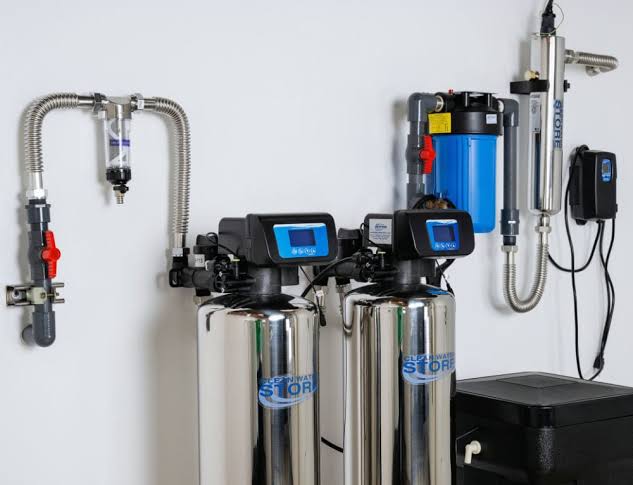
When exploring residential water treatment options, homeowners should consider their incoming water conditions, household consumption, available installation space, and the particular problems they want to address.
Water softeners primarily reduce hardness minerals through ion exchange. Sediment filters capture suspended particles, including sand and rust.
Activated carbon filtration can reduce certain unpleasant tastes, odors, and contaminants, while reverse osmosis provides more specialized treatment for various dissolved substances.
These technologies aren’t interchangeable.
For instance, purchasing an ordinary carbon filter won’t necessarily resolve hardness-related scale inside a water heater.
Appropriate water testing helps identify which equipment is worth considering and which products might represent an unnecessary expense.
Related context Keeping Your Plumbing Ready for Everyday Life and Unexpected Problems
Giving Drinking Water the Attention It Deserves
While protecting appliances is certainly worthwhile, the water your family consumes deserves separate consideration.
Installing appropriate home drinking water filtration can help address specific water quality concerns at the kitchen faucet without requiring every gallon of household water to undergo the same treatment process.
Under-sink filtration systems are particularly convenient for families who regularly prepare meals, brew coffee, and refill reusable drinking bottles.
Activated carbon filters may be suitable for addressing certain tastes and odors, while reverse osmosis equipment can reduce various dissolved contaminants when properly selected.
Before purchasing equipment, review available water quality information or arrange relevant laboratory testing.
Remember that pleasant-tasting, clear water isn’t necessarily free from potentially harmful substances. Choose filtration equipment with verified performance that matches your actual concerns.
Spending Less Time on Frustrating Household Chores
Water quality can influence cleaning routines in ways that aren’t immediately obvious.
Perhaps you’ve noticed how difficult it is to remove stubborn mineral residue from shower screens. Or maybe your glassware develops cloudy marks despite being freshly washed.
Related context A Smarter Way to Improve Your Home’s Water Quality
Appropriate hardness treatment may help reduce these problems by limiting the minerals responsible for certain deposits.
Soap also tends to lather more readily in softened water, potentially allowing households to adjust their cleaning product consumption.
Laundry may feel different, particularly when detergent quantities are adjusted according to manufacturer recommendations.
These improvements might sound relatively modest, but consider how often you perform these tasks throughout the year.
Even small reductions in cleaning effort can make household responsibilities feel more manageable.
Should You Treat the Entire House or Just the Kitchen?
Not every water-related concern requires a comprehensive treatment installation.
If your primary goal is improving drinking water taste, a dedicated kitchen filtration system might be perfectly adequate.
However, when hardness affects multiple bathrooms, laundry equipment, and water heaters, treating incoming water at the main supply connection may offer greater practical benefits.
Related context Why Better Water Starts with Understanding What Flows Through Your Home
Some households choose a combination of centralized softening and dedicated drinking water treatment.
This allows different technologies to address separate concerns without applying unnecessarily intensive treatment everywhere.
Before deciding, think about where water problems occur most frequently and how much water your household uses.
A treatment arrangement should reflect your lifestyle rather than force you to adapt to unnecessary equipment.
Considering Maintenance and Long-Term Ownership Costs
There’s more to water treatment than the initial installation expense.
Replacement cartridges, softener salt, regeneration water, electricity, and occasional servicing may contribute to ongoing ownership costs.
Ask about maintenance requirements before purchasing equipment, not afterward.
It’s also sensible to check replacement component availability and whether servicing can be completed conveniently.
Related context Understanding Reverse Osmosis at Home: What Really Happens Inside Your Water Filter
Neglected filtration equipment may lose effectiveness or restrict water flow, creating problems that weren’t present before installation.
Private well owners should continue arranging appropriate laboratory testing, particularly for microbial contamination and other relevant substances.
Ordinary filtration and softening shouldn’t automatically be considered sufficient to make unsafe source water drinkable.
A Smarter Investment in Your Home’s Future
Improving household water quality is about more than purchasing another piece of equipment.
It’s about protecting valuable appliances, addressing genuine water concerns, and making familiar activities less frustrating.
Start with reliable testing, choose suitable treatment technologies, and establish a maintenance routine that works for your household.
The results may become apparent gradually. Less frequent descaling, more manageable cleaning, and better-tasting drinking water are all potential rewards of a thoughtful approach.
Sometimes, the most worthwhile home improvements are the ones that quietly make everyday life better while helping you look after the things you’ve already invested in.