A Smarter Way to Improve Your Home’s Water Quality
Start by Understanding the Water You Use Every Day
Water is part of nearly every household routine. We use it to make coffee in the morning, prepare meals, wash clothes, clean bathrooms, and keep our homes running smoothly. Because it is so familiar, we tend to notice it only when something changes. Perhaps white residue appears around the kitchen faucet, soap refuses to lather properly, or drinking water develops a taste that wasn’t there before.
These signs can be frustrating, but they don’t always point to the same problem. Hard water, sediment, disinfectant taste, and other water quality concerns require different approaches. Buying a treatment system before identifying the cause can mean spending money on equipment that doesn’t solve the issue.
A sensible first step is to learn more about the water entering your home. Understanding its characteristics makes it easier to choose a suitable treatment method, plan for maintenance, and avoid paying for features you may not need. It also gives you a clearer starting point when speaking with a water treatment professional.
Why Water Testing Is Worth Considering
Many homeowners judge water quality by its appearance, smell, or taste. Those observations can be useful, but they don’t provide a complete picture. Water may look perfectly clear while containing substances that require testing, and an unpleasant taste doesn’t necessarily mean the water is unsafe.
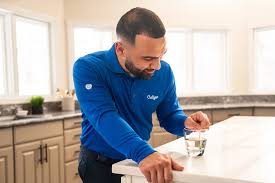
A free in-home water testing service can offer a convenient first look at certain water quality characteristics. Depending on the provider and the tests performed, an assessment may help identify hardness, pH, chlorine levels, or other selected indicators. It can also give homeowners an opportunity to discuss concerns such as mineral buildup, unusual odors, or staining around fixtures.
Related context A Simple Approach to Water Treatment That Keeps Your Home Running Well
However, it’s important to understand what the test actually measures. Some in-home demonstrations use simple screening methods intended to explain common water issues rather than provide a comprehensive safety assessment. They may not detect every contaminant, and results shouldn’t automatically be treated as proof that water is safe to drink.
If you’re concerned about bacteria, lead, arsenic, nitrates, or other health-related contaminants, consider testing through a qualified laboratory using methods appropriate for the substances in question. The right approach depends on your water source, local conditions, and any known concerns.
Testing is most useful when it leads to clear, practical information. Ask for the results, find out what they mean, and make sure any recommended treatment addresses an identified need.
Choosing the Right Treatment for Your Home
Once you understand the problem, selecting a treatment system becomes much easier. Different technologies serve different purposes, so the best choice depends on what is present in the water and how you use it.
Water softeners are commonly used to address hardness caused by dissolved calcium and magnesium. These minerals can leave spots on glassware, create scale around faucets, and contribute to deposits inside water-using appliances. A suitable softener can reduce hardness and make routine cleaning more manageable, although it doesn’t remove every contaminant.
Related context When Clean Water Becomes a Whole-Home Experience, Not Just a Kitchen Upgrade
Filtration systems can target other concerns. Depending on the filter media and certification, they may reduce sediment, chlorine taste and odor, or specific unwanted substances. Reverse osmosis systems use a semipermeable membrane to reduce many dissolved substances in drinking water. Some households prefer an under-sink system for drinking and cooking, while others may need treatment at the point where water enters the property.
Whole-house systems can be helpful when the concern affects multiple taps and appliances. Yet a larger system isn’t automatically better. It must be selected according to water conditions, household demand, and the treatment objective.
Before making a purchase, review the manufacturer’s performance claims and relevant independent certifications. Check which contaminants or characteristics the system is designed to address, how frequently its filters need replacing, and whether replacement parts are readily available.
The Importance of Proper Installation
Even a well-designed system may disappoint if it isn’t installed correctly. Water treatment equipment must work with the property’s plumbing, water pressure, available space, and everyday usage patterns. Poorly planned installation can lead to leaks, inconvenient maintenance, or performance problems.
Professional expert installation helps ensure that the equipment is connected and configured according to the manufacturer’s requirements. Depending on the system, the work may involve shutoff valves, bypass connections, drainage, electrical components, or adjustments to existing plumbing. More complex installations may require a qualified or licensed plumbing professional under local regulations.
Related context Designing a Smarter Water System: Why Testing and Technology Go Hand in Hand
Consider a family that installs a filtration system to improve drinking water but later notices a significant drop in flow. The cause could be an unsuitable unit, an incorrectly installed connection, a clogged filter, or a pressure issue that existed before installation. A proper assessment can help distinguish between these possibilities.
Before the work begins, ask the installer to explain the process, the expected installation time, and any preparation needed around the work area. It is also reasonable to discuss warranty conditions and who is responsible if a problem develops after installation.
Once the system is running, ask for a demonstration. Knowing how to check indicators, replace basic consumables, and recognize unusual behavior gives you greater confidence in looking after the equipment.
Maintenance Keeps the System Working Properly
Water treatment isn’t a one-time task. Filters gradually accumulate particles or reach the end of their useful life. Water softeners may require salt replenishment, and some systems need periodic cleaning or inspection. The exact requirements depend on the equipment and the characteristics of the water being treated.
Following the manufacturer’s maintenance schedule is one of the simplest ways to protect your investment. Replacing a filter too late may affect flow or treatment performance, while replacing it unnecessarily can increase operating costs. Keep a record of service dates and note any changes in taste, pressure, or system behavior.
Related context Getting More From Your Home Water System With the Right Approach
Maintenance can also help identify small issues before they become expensive repairs. A loose fitting or a worn seal, for example, may be easier to address when spotted early. If you notice a persistent leak, unusual noise, or a sudden change in performance, don’t assume the system will correct itself.
The cost of ownership deserves attention when comparing products. Along with the purchase price, consider replacement cartridges, salt, electricity where applicable, water use, and periodic service visits. A slightly cheaper system may not be the most economical choice over several years.
Why Reliable Support Matters
Homeowners shouldn’t have to become water treatment specialists just to operate their equipment. Clear instructions and accessible service make a real difference, particularly when questions arise months after installation.
Good ongoing support means having a dependable way to get answers about maintenance, replacement parts, system settings, and unexpected problems. It may include scheduled inspections, troubleshooting assistance, or reminders when routine service is due. Before agreeing to a service plan, check what it covers and whether labor, replacement parts, and consumables are included.
A trustworthy provider should also be willing to explain limitations. No system can be assumed to remove every possible contaminant, and treatment results depend on the equipment, water conditions, and correct maintenance. If additional testing or a different approach is needed, that should be discussed openly.
Related context When Hiring a Home Repair Professional Is Simply the Smarter Choice
Customers benefit most when service providers focus on solving the actual problem rather than pushing unnecessary upgrades. Straightforward communication builds confidence and makes it easier to plan for future expenses.
Making a Confident Decision
Improving your home’s water quality doesn’t need to begin with a complicated purchase or an expensive installation. Start with the concerns you have noticed, gather reliable information, and use appropriate testing when necessary. From there, compare treatment options that match your water conditions and household needs.
Ask questions about performance, installation, maintenance, and long-term costs. Make sure you understand what the equipment can do and what it cannot. A little research now can prevent frustration later.
The right water treatment system should fit naturally into everyday life. It should address a real concern, be manageable to maintain, and come with guidance when you need it. With a careful assessment and a practical plan, better water quality becomes a considered home improvement rather than a guessing game.