Making Better Water Part of Everyday Life: A Practical Guide for Homeowners
Good water is something most people notice only when it isn’t there. When the tap water tastes fresh, showers feel comfortable, and there are no annoying spots covering the kitchen faucet, everything simply works in the background. But water quality can change. Filters get older, equipment needs attention, and the needs of a household can […]
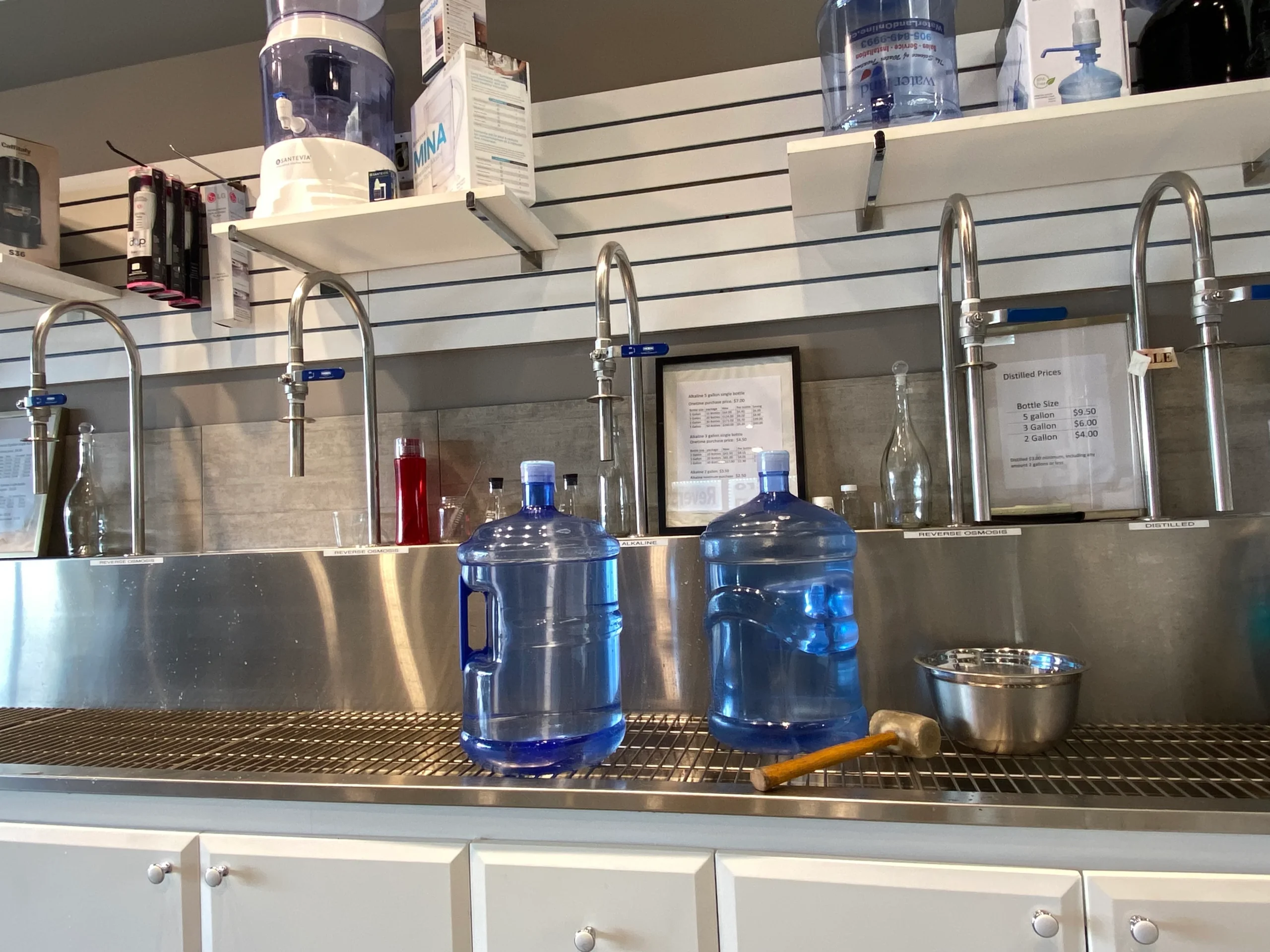
Good water is something most people notice only when it isn’t there. When the tap water tastes fresh, showers feel comfortable, and there are no annoying spots covering the kitchen faucet, everything simply works in the background.
But water quality can change. Filters get older, equipment needs attention, and the needs of a household can grow over time. Maybe you’ve just moved into a home with an existing treatment system. Maybe you’re considering one for the first time. Or perhaps you’ve had a system for years and want to understand how to get more from it.
Whatever your situation, a little knowledge can make water treatment much easier to manage.
Starting With Your Home’s Water
Before choosing equipment or changing an existing setup, it helps to understand the water you’re working with.
Every home is different. Municipal water may have chlorine taste or odor, while well water can have concerns related to minerals, sediment, or naturally occurring substances. Hard water may leave white deposits around faucets and make cleaning more difficult.
A water test can provide a clearer picture.
Instead of buying equipment based on a neighbor’s recommendation or an online advertisement, testing allows you to focus on the issues that actually exist in your home. It can also prevent you from spending money on treatment you don’t really need.
What New Customers Should Know
If you’re New to Great Water USA, or simply new to home water treatment in general, the number of choices can feel a little overwhelming.
Related context Choosing the Right Water Treatment Approach for a Cleaner, More Comfortable Home
There are softeners, carbon filters, reverse osmosis systems, whole-home filtration equipment, drinking-water systems, and plenty of variations in between.
Don’t worry about understanding every technical term immediately.
Start with three basic questions: What is wrong with my water? Where do I want the water treated? And how much maintenance am I comfortable handling?
Once those questions are answered, comparing solutions becomes much easier.
Why Filtration Needs Depend on the Household
A single person living in an apartment won’t have the same water needs as a family of six in a large home.
Water usage affects filter capacity, softener sizing, maintenance frequency, and even how quickly certain components wear out.
For example, a household that cooks frequently and drinks several gallons of filtered water every day may need a different drinking-water setup than someone who mainly wants better-tasting water for occasional use.
This is why properly sizing equipment matters. Bigger isn’t automatically better. The goal is to find equipment that comfortably matches your actual household demand.
Related context The Everyday Upgrade: Why Better Water at Home Changes More Than You Expect
The Importance of Regular Filter Changes
One of the simplest maintenance tasks is also one of the easiest to forget.
A filter change is necessary when a cartridge or filter reaches the end of its useful service life. Waiting too long can reduce performance, and in some situations an exhausted filter may no longer provide the treatment you expected.
Don’t wait for the water to taste strange before checking the filter. Follow the manufacturer’s replacement recommendations and consider your household’s actual water consumption.
A family using large amounts of filtered water may go through a filter faster than a smaller household.
Put a reminder on your phone. It takes thirty seconds and can save you from realizing six months later that you’ve completely forgotten about the filter.
What Makes a Good Water Treatment Experience?
Equipment matters, but service and support matter too.
A homeowner may have questions about filter replacements, water testing, installation, system settings, or unusual changes in water quality. Having access to knowledgeable support can make the experience much less frustrating.
Related context Taking Control of Your Water: A Realistic Guide to Improving Quality at Home
A Great Water USA Customer may value different things depending on their situation. One homeowner might care most about drinking-water quality, while another may be focused on reducing hard-water buildup throughout the house.
The best solution is the one that addresses the customer’s actual needs rather than simply adding features for the sake of having more equipment.
Don’t Ignore Changes in Water Quality
Water doesn’t always announce a problem dramatically.
Sometimes the first clue is a slight change in taste. Maybe there’s more scale around the showerhead, or your dishes suddenly don’t look as clean. You might notice a change in water pressure or hear an unusual sound from the treatment equipment.
These signs don’t automatically mean something serious is happening. A filter may simply need replacement, a setting could require adjustment, or a component might need inspection.
Still, changes are worth paying attention to. If something seems different, investigate it rather than hoping it will correct itself.
Maintenance Is Part of the Investment
Buying a water treatment system is only the first step. Maintaining it is what helps keep the system useful over the years.
Depending on the equipment, maintenance may involve replacing filters, checking salt levels, cleaning components, inspecting connections, or servicing mechanical parts.
Related context Your Home Deserves Better Water — Here’s How to Make That Happen
Keep records of what has been done. You don’t need a complicated spreadsheet. A simple note on your phone with dates and replacement details can be enough.
This information becomes especially helpful when a technician needs to understand the system’s history.
Questions Are Worth Asking
Don’t be afraid to ask straightforward questions before buying or servicing water treatment equipment.
What does the system actually remove or reduce? How often do filters need replacement? What does maintenance cost? Is installation included? What happens if the system develops a problem?
A trustworthy provider should be comfortable answering these questions.
Be cautious of anyone who makes huge promises without explaining how the equipment works. Water treatment is not one-size-fits-all, and honest advice should take your water source and household requirements into account.
Making Better Water a Simple Routine
The good thing about a well-maintained water treatment system is that it doesn’t need to dominate your life.
Related context Getting More From Your Home Water System With the Right Approach
Once the right equipment is installed, the main job is simply to stay on top of basic maintenance and pay attention when something changes.
Test your water when appropriate. Replace filters on schedule. Keep service records. Ask questions when you’re unsure.
Those small habits can make a surprisingly big difference.
A Better Water Routine Starts With the Basics
You don’t need to become a water-treatment expert to make good decisions for your home. You just need to understand your water, know what your equipment is designed to do, and take care of it properly.
Whether you’re researching your first system or maintaining one you’ve had for years, the same principle applies: choose based on real needs, not hype.
Better water isn’t about having the most complicated equipment in the house. It’s about having a practical solution that works reliably, fits your lifestyle, and gives you confidence every time you turn on the tap.
And honestly, that’s what good home water treatment should feel like—quiet, dependable, and there when you need it.