Keeping Your Plumbing Ready for Everyday Life and Unexpected Problems
A comfortable home depends on a surprising number of things working properly behind the scenes. The lights need to turn on, the heating needs to work, and, of course, water needs to come out of the tap when you need it. Plumbing is easy to forget when everything runs smoothly. But a cold shower on a busy morning or a leak spreading beneath the kitchen sink can change that in a hurry.
Good plumbing isn’t simply about fixing broken pipes. It’s about keeping water flowing safely, managing wastewater, and making sure the systems you rely on every day are in reasonable condition. A little awareness can help homeowners recognize trouble early, plan necessary improvements, and avoid turning a small repair into an expensive project.
The Everyday Signs Your Plumbing Needs Attention
Plumbing problems often begin quietly. A tap may start dripping, a toilet might run longer than usual, or the kitchen sink may take an extra minute to drain. These issues can seem minor, especially when the rest of the house is working normally. Still, repeated warning signs are worth investigating.
For example, a small leak beneath a bathroom vanity may go unnoticed for weeks because the cabinet hides the moisture. By the time someone spots swollen wood or a musty smell, the surrounding materials may already need attention. Checking beneath sinks and around visible pipe connections every so often can help catch these problems earlier.
Water pressure is another useful clue. If several fixtures suddenly produce weak flow, the issue may involve the incoming supply, a pressure regulator, or a leak. If only one faucet is affected, a clogged aerator or a local valve problem may be more likely. The difference matters because the correct solution depends on the cause.
Related context Making Better Water Part of Everyday Life: A Practical Guide for Homeowners
Homeowners can safely handle simple tasks such as cleaning a faucet aerator or replacing a suitable fixture washer if they understand the process. However, persistent leaks, damaged pipes, and problems involving electrical or gas-connected equipment are better left to qualified professionals.
Making Sure Your Water Heater Is Doing Its Job
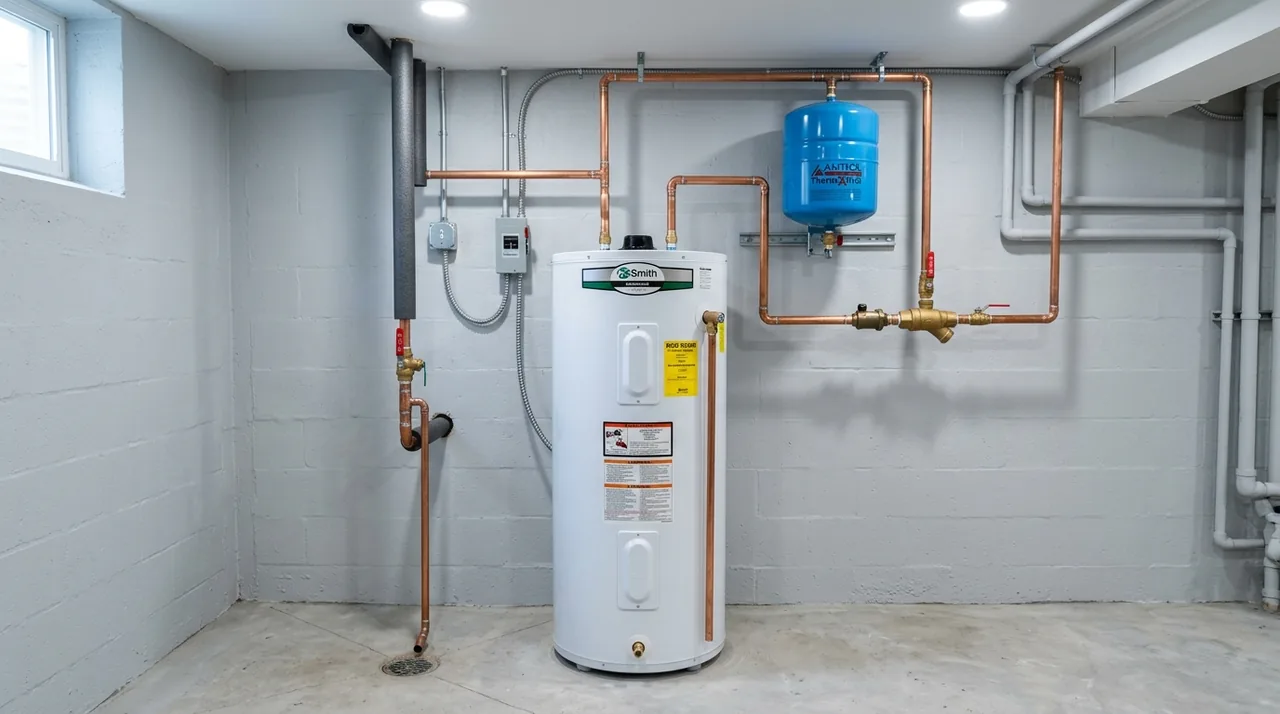
Hot water plays a central role in daily routines. It’s needed for showers, washing dishes, cleaning, and sometimes laundry. When a water heater starts acting up, the inconvenience can be immediate. Perhaps the water never gets quite warm enough, the supply runs out unusually quickly, or the unit begins making popping and rumbling sounds.
Professional water heater services can help identify whether the problem involves sediment buildup, a thermostat, a heating element, a valve, or the condition of the unit itself. The best next step depends on the system’s age, maintenance history, energy source, and repair costs. A relatively new heater may only need a component replaced, while an older unit with repeated failures might be approaching the end of its useful life.
There are a few warning signs you shouldn’t ignore. Water collecting around the base, visible corrosion, or inconsistent heating deserves attention. If you smell gas, leave the area and contact the appropriate emergency service rather than trying to locate the leak yourself. Never attempt repairs involving electrical connections, gas lines, or pressurized components unless you’re properly qualified.
Regular maintenance can also help a heater operate more reliably. Follow the manufacturer’s recommendations and ask a professional whether your particular system needs periodic flushing, inspection, or other servicing. Not every unit has the same maintenance requirements, so advice should match the equipment installed in your home.
Related context Making Space for Life: Honest Talk About Home Additions, Cabinets, and Windows That Just Work
When a Plumbing Problem Becomes an Emergency
Some plumbing faults can wait for a scheduled appointment. Others demand quick action. A burst pipe, major leak, sewage backup, or water spreading near electrical equipment can put property and people at risk. In these situations, waiting until the next convenient time may allow the damage to grow.
Homeowners looking for emergency plumbing in new mexico should understand what they can do safely while help is on the way. If a pipe is leaking heavily, shut off the main water supply if the valve is accessible without entering a hazardous area. Keep children and pets away from contaminated water, and don’t touch electrical appliances or switches in a wet space.
It’s useful to know where the main shutoff valve is before an emergency occurs. Many people only start looking for it once water is already pouring across the floor, which is hardly the ideal time to search through a utility room or crawl space.
When calling a plumber, describe the issue as clearly as possible. Explain where the leak or backup is occurring, when it started, and whether the water is still flowing. Mention any steps you’ve already taken. Clear details help the professional assess the urgency and prepare for the visit.
Related context When Hiring a Home Repair Professional Is Simply the Smarter Choice
Not every urgent problem is dramatic, either. A hidden leak can slowly damage a wall or floor without creating a large puddle. If you notice persistent dampness, unexplained water usage, or a recurring drain problem, arrange an inspection instead of assuming it will disappear.
Planning Plumbing for a New Home
Building a home gives you the opportunity to make important plumbing decisions before the walls are finished and the fixtures are installed. Pipe routes, drain placement, water pressure, hot water capacity, and access to valves can all affect how well the system works over time.
Careful new construction plumbing starts with understanding how the property will be used. A household with several bathrooms may have different hot water and supply requirements from a smaller home. Kitchen islands, laundry rooms, outdoor taps, and future bathroom additions should also be considered during planning, where practical.
The location of serviceable components deserves attention. Shutoff valves and drain cleanouts should be accessible, not hidden behind permanent fixtures or awkward cabinetry. That might sound like a minor design detail during construction, but it can save time and expense when maintenance is eventually needed.
Before work begins, discuss materials, installation standards, inspection requirements, and the expected schedule with the plumbing contractor. Make sure the work complies with applicable local codes. Once the system is installed, ask for the necessary documentation and an explanation of the main shutoff locations.
Related context Choosing the Right Water Treatment Approach for a Cleaner, More Comfortable Home
It is also wise to test fixtures and drains before considering the project complete. Identifying a leak or drainage issue before walls and flooring are fully finished is much easier than discovering it after moving in.
Choosing a Plumber Without Guesswork
Finding a plumbing professional can feel like a rushed decision, particularly when water is leaking or a toilet has stopped working. Even so, it’s worth checking the basics. Look for the appropriate licensing and insurance required in your area, and ask whether the contractor has experience with the specific work you need.
For larger jobs, request a written estimate that explains labor, materials, and the work included. Ask how unexpected complications will be handled and whether replacement parts or labor are covered by a warranty. If a contractor recommends replacing an entire system, ask what evidence supports that recommendation and whether a smaller repair is a reasonable alternative.
Reviews can offer useful insight, but look for details rather than focusing only on ratings. Comments about communication, punctuality, workmanship, and follow-up often reveal more about the experience than a brief compliment.
Related context When Clean Water Becomes a Whole-Home Experience, Not Just a Kitchen Upgrade
Small Habits That Support Long-Term Reliability
Plumbing maintenance doesn’t need to become a major household project. Avoid pouring grease down drains, use drain covers where hair tends to collect, and keep unsuitable items out of toilets. Check visible connections occasionally and pay attention to changes in water pressure, drainage, or water quality.
If you live in an area where freezing temperatures occur, protect vulnerable pipes according to local guidance. In older homes, periodic professional inspections can help identify aging materials or recurring problems before a major failure occurs.
Ultimately, dependable plumbing comes from a combination of sensible habits, thoughtful planning, and timely repairs. No system lasts forever, and unexpected problems will happen from time to time. But knowing what to watch for—and who to call when something goes wrong—can make those moments much easier to manage.
A well-maintained plumbing system may not be something you think about every day. That’s the point. When pipes, drains, and hot water equipment are working as they should, your home can carry on with the routines that make it comfortable, without an avoidable plumbing problem taking center stage.