There’s something quietly powerful about turning on a tap and knowing the water flowing out is clean, safe, and actually pleasant to drink. But let’s be honest — for many of us, that’s not always the case. Maybe it smells like chlorine, tastes a little metallic, or leaves crusty residue on your shower head. That’s not just annoying — it’s a sign your water may need a little help.
Welcome to the world of better water solutions. And no, this isn’t about fancy bottles or subscription services. We’re talking about fixing the water that runs through your entire home — from the kitchen sink to the upstairs bath.
Why Tap Water Isn’t Always “Good Enough”
Look, most municipal water is technically safe. But “safe” doesn’t always mean “healthy,” “tasty,” or “good for your appliances.” A lot of it travels through old pipes, picks up contaminants along the way, and gets treated with chemicals that linger in your glass.
Ever had dry skin that won’t go away? Dull hair even after a good conditioner? Spotty dishes after a dishwasher cycle? Yep — that might be your water, not your products.
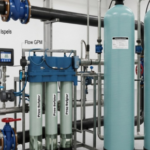
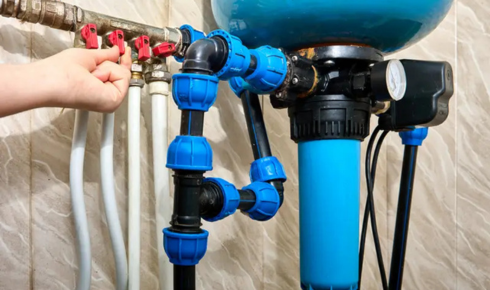
That’s where whole home filtration steps in. It’s like giving your house a liver — a filter system that cleans everything before it touches your body, your clothes, or your coffee mug. No more buying filters for every faucet or showerhead. Just one system. Total peace of mind.
What’s Actually in Your Water?
It depends on where you live, but here’s a not-so-fun fact: tap water can legally contain trace amounts of stuff like lead, chlorine, pesticides, and even pharmaceuticals. Just because it meets federal standards doesn’t mean it’s ideal.
And if you’re on a well system? You’ve got your own set of worries — bacteria, nitrates, sediment. Maybe even radon. Yikes.
Point is, no two homes have the exact same water issues. That’s why the right fix starts with a proper water test. From there, you can tailor the solution — filtration, softening, reverse osmosis — to your specific needs. Cookie-cutter doesn’t work here.
A Personal Story from the Suburbs
Let me paint a picture. A family of four moves into a lovely home in Virginia. Nice yard, great schools, beautiful kitchen. But within a month, everyone’s breaking out in rashes. Laundry smells off. The dishwasher’s leaving weird white streaks on glasses.
They call a plumber, who shrugs. Then they call a local expert for a water test. Turns out the culprit? High chlorine levels and hard water. In other words — the water was “clean,” but it wasn’t working for their lifestyle.
Enter a custom water system installation VA company that knew exactly what to do. They installed a whole-home carbon filter paired with a softener. The result? Instant relief. Skin calmed down, the dishwasher ran like new, and even the coffee tasted better.
The Invisible Impact on Your Home and Wallet
You may not see it, but bad water is a slow killer — of your appliances, your plumbing, and your utility bill.
Hard water (rich in calcium and magnesium) builds up in pipes. That buildup makes your water heater work harder, slashing its efficiency and lifespan. Same with washing machines and dishwashers. You’ll notice the difference — in limescale deposits, stained tubs, and even water pressure issues.
A good filtration system might seem like a big investment upfront, but it can save you thousands over time. You’ll use less soap, buy fewer bottled waters, and extend the life of your machines. Plus, there’s that priceless peace of mind.
Types of Home Water Systems (And How to Pick One)
Not all systems are created equal. Here’s a quick crash course:
- Water Softeners: Great for removing minerals that cause hard water. Think softer skin, cleaner dishes, and longer-lasting appliances.
- Carbon Filters: Excellent at removing chlorine, odors, and some organic compounds. Great if your water tastes or smells funny.
- Reverse Osmosis (RO): For ultra-purification. Ideal if you’re worried about heavy metals, fluoride, or nitrates.
- UV Purifiers: These use ultraviolet light to kill bacteria and viruses. More common with well systems.
Sometimes, you’ll need a combo system. That’s why working with a pro matters. They can test your water, walk through your concerns, and recommend what fits — not just upsell you on the biggest gadget.
Common Myths (Let’s Clear the Air)
“I rent, so I can’t do anything.”
Actually, there are under-sink and showerhead filters perfect for renters. You don’t need to own the place to improve your water.
“It’s too expensive.”
Some systems cost less than your yearly bottled water habit. Plus, many providers offer financing or rental options.
“My water looks clear, so it must be fine.”
Not necessarily. The worst offenders — lead, nitrates, PFAS — are invisible. You need testing, not guesswork.
How to Get Started
If all this sounds overwhelming, take a breath. Start simple:
- Get your water tested. Many local providers offer free or low-cost testing.
- Know your goal. Is it taste? Health? Appliance longevity?
- Consult an expert. You don’t have to become a filtration engineer overnight. That’s what professionals are for.
- Don’t wait. Every day with poor-quality water chips away at your comfort — and sometimes your health.
Look for a reputable local installer who understands the unique water profiles in your area. If you’re in Virginia, for instance, regional knowledge matters. Companies who specialize in water system installation VA know how to deal with everything from iron-rich well water to heavily chlorinated city water.
Final Thoughts: It’s About Quality of Life
Water touches nearly every moment of your day — from your morning tea to that hot shower after a long one. It deserves more than a shrug and a filter jug from the supermarket.
With the right system in place, you can protect your family, your appliances, and your sanity. It’s one of those upgrades you’ll feel every single day — not just see on paper.
So if you’ve been ignoring the signs — itchy skin, stained toilets, funny smells — maybe it’s time to stop settling. Better water isn’t a luxury. It’s a necessity. And thankfully, it’s easier to get than you think.
Because when you treat your home to better water solutions, you’re not just fixing a utility — you’re upgrading your entire life.