There’s something easy to overlook about water. It’s always there—running from the kitchen faucet, filling the washing machine, steaming in the shower. Because it’s part of everyday life, most of us rarely stop to wonder what’s actually in it. Until stains appear on fixtures, soap refuses to lather properly, or the water suddenly smells a little… off.
The truth is, no two water supplies are exactly alike. Even homes in the same neighborhood can experience different water quality depending on plumbing, groundwater conditions, or municipal treatment methods. That’s why finding the right approach isn’t about buying the most expensive filter on the shelf. It’s about understanding your home’s unique needs and choosing a solution that actually fits.
Every Home Has a Different Water Story
Some families struggle with hard water that leaves chalky deposits on faucets and appliances. Others notice iron stains in sinks, sulfur odors, or water that tastes metallic. Sometimes the issue isn’t obvious at all. Minerals and contaminants may not change the appearance of your water, but they can still affect plumbing systems, household appliances, and overall water quality.
I’ve talked to homeowners who spent years replacing showerheads, buying bottled water, or constantly cleaning mineral buildup before realizing the real issue was the water itself. Once they addressed the source, many of those everyday frustrations quietly disappeared.
That’s the thing about water quality—it influences daily life in ways that are easy to ignore until the problems become impossible to overlook.
Why One-Size-Fits-All Systems Rarely Work
Walk into a home improvement store and you’ll find shelves packed with filters, softeners, pitchers, and purification gadgets. They all promise cleaner, better water. Some genuinely help, while others solve problems you may not even have.
The smarter approach often begins with custom water solutions that are designed around your home’s specific water conditions. Instead of guessing, these systems target actual issues like excessive hardness, chlorine, iron, sediment, or unwanted odors.
A personalized system usually performs better because it treats the real cause rather than masking symptoms. It also helps avoid spending money on equipment that doesn’t address the problem in the first place.
Looking Beyond the Kitchen Faucet
Many people focus only on drinking water, and that’s understandable. But water touches nearly every part of the home.
It washes clothes, cleans dishes, fills bathtubs, waters pets, and flows through expensive appliances every single day. If that water contains excessive minerals or contaminants, those effects extend far beyond what ends up in your glass.
This is where whole home water treatment becomes an attractive option for many households. Instead of improving water at just one faucet, it works throughout the plumbing system, helping protect pipes, water heaters, dishwashers, washing machines, and other appliances while also improving water quality for bathing, cooking, and cleaning.
Many homeowners are surprised by small improvements they didn’t expect. Softer towels, brighter laundry, fewer soap residues, smoother skin after showers, and less time spent scrubbing mineral deposits often become welcome bonuses.
The Value of Knowing Before You Buy
One of the biggest mistakes homeowners make is purchasing equipment before understanding what’s actually in their water.
A filter designed for chlorine won’t necessarily solve iron problems. Likewise, a water softener isn’t meant to remove every possible contaminant. Choosing blindly can lead to disappointing results and unnecessary expenses.
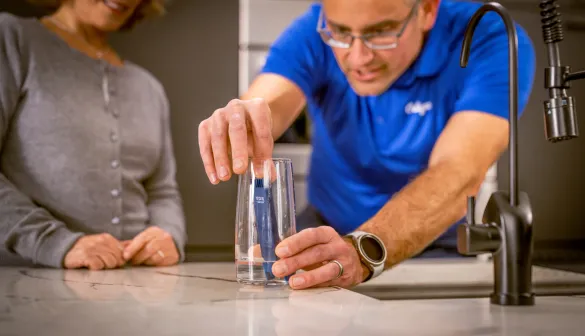
That’s why professional water testing is often the smartest first step. Testing identifies exactly what’s present in the water supply, allowing treatment recommendations to be based on facts rather than assumptions.
Rather than relying on generic advice or online guesses, homeowners gain a clear picture of their water quality and can make confident decisions about the right equipment.
Better Water Protects More Than Comfort
Clean, properly treated water isn’t only about taste or convenience. It can also contribute to the long-term health of your plumbing system.
Hard minerals gradually build inside pipes, reducing water flow over time. Water heaters become less efficient as scale accumulates on heating elements. Appliances often work harder, consume more energy, and wear out sooner when untreated water constantly passes through them.
Even small improvements in water quality may help reduce maintenance costs over the years. While no treatment system eliminates every plumbing issue, addressing water quality can remove one major source of unnecessary wear and tear.
It’s a bit like maintaining your vehicle. Regular care doesn’t guarantee nothing will ever break, but it certainly improves the odds of everything lasting longer.
Cleaner Water Can Improve Everyday Living
Sometimes the biggest benefits aren’t dramatic at all. They’re simply things you notice little by little.
Morning coffee tastes cleaner. Ice cubes become clearer. Hair feels softer after washing. Soap rinses away more easily. Glass shower doors stay cleaner between scrubs.
These aren’t life-changing moments individually, yet together they make everyday routines feel just a little easier.
Many homeowners don’t realize how much they adapted to poor water quality until they experience consistently cleaner water throughout the house. It’s one of those improvements that quietly becomes normal—and that’s probably the best compliment any home upgrade can receive.
Choosing a Long-Term Solution
Water treatment shouldn’t be viewed as a temporary fix. Instead, it’s an investment in your home’s infrastructure and your family’s daily comfort.
That means considering more than just the initial purchase price. Maintenance requirements, filter replacement schedules, warranty coverage, professional installation, and ongoing support all deserve attention before making a decision.
Working with knowledgeable professionals often leads to better long-term results than selecting equipment based solely on advertisements or online ratings. Water conditions change, household needs evolve, and having access to experienced guidance can make future adjustments much simpler.
Final Thoughts
Water is easy to take for granted because it’s woven into nearly every moment of daily life. Yet its quality influences far more than many people realize—from the taste of a glass of water to the lifespan of expensive appliances and the comfort of an evening shower.
The good news is that improving household water doesn’t have to involve guesswork. By understanding your home’s unique water characteristics and selecting treatment that matches those specific needs, you can enjoy cleaner water, better-performing plumbing, and greater confidence in what flows from every tap.
In the end, better water isn’t really about fancy equipment or complicated technology. It’s about making everyday life a little healthier, a little easier, and a lot more enjoyable—one glass, one shower, and one load of laundry at a time.