There’s a moment—usually quiet, easy to miss—when your home starts feeling a little less comfortable than it once did. Not dramatically. Just small things.
A chill near the window in the evening. A room that heats up faster than it should in the afternoon. Maybe even the faint sound of wind sneaking in, like a reminder you didn’t ask for.
At first, you adjust. A fan here, a blanket there. But eventually, you start wondering… is this just how it is now?
Most of the time, it isn’t.
The Little Signs That Add Up Over Time
Windows rarely fail all at once. They don’t suddenly stop working. Instead, they slowly lose their edge.
Seals weaken. Frames shift ever so slightly. Glass becomes less effective at insulating than it once was.
And because the change is gradual, it’s easy to overlook.
You might notice your energy bills creeping up, but chalk it up to weather. Or feel a slight draft and assume it’s just a one-off thing. But when these small issues start stacking up, they point to something bigger.
Not urgent, maybe—but definitely worth paying attention to.
When It’s Time to Consider Something New
At some point, patching things up stops being enough.
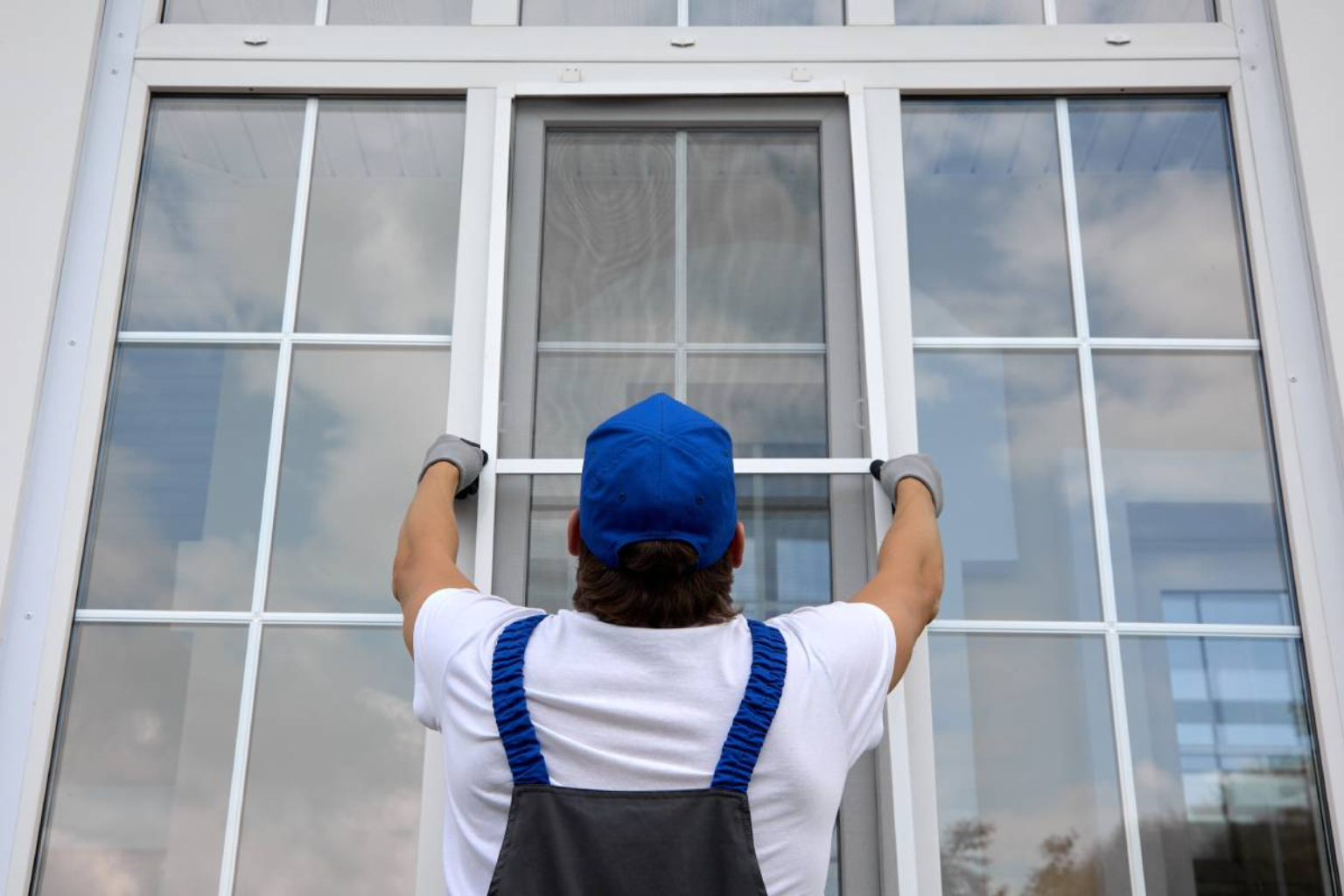
You reseal, adjust, maybe even repair a section—but the comfort doesn’t quite come back the way you hoped. That’s usually when people start thinking about replacement windows.
It’s not always an easy decision. There’s cost involved, and a bit of disruption too. But it’s also a chance to reset.
New windows don’t just fix what’s broken—they improve how your home functions overall. They bring back that sense of balance you didn’t realize was missing until it returned.
And sometimes, that alone makes the decision worthwhile.
Why Drafts Matter More Than You Think
A small draft might seem like a minor inconvenience.
But it’s rarely just that.
When air moves where it shouldn’t, it affects everything. Temperature consistency, energy efficiency, even how comfortable you feel sitting in certain parts of a room.
That’s why one of the biggest benefits of modern window upgrades is the ability to reduce drafts in a way that feels almost invisible.
No more cold spots near the walls. No more adjusting your seating just to avoid that one uncomfortable area. Just a steady, consistent environment that doesn’t shift with every breeze.
It’s a subtle change—but once you experience it, it’s hard to ignore.
Comfort Isn’t Always Obvious—Until It Improves
We don’t usually think about comfort in technical terms.
It’s more of a feeling. The way a room holds temperature. The way light enters without making the space too harsh or too dim. The way everything just feels… right.
That’s where upgraded windows quietly make a difference.
They stabilize the environment. They filter light more effectively. They help maintain indoor conditions without constant adjustments.
And over time, that leads to improved comfort—not in a dramatic, noticeable way, but in a steady, reliable one.
You stop thinking about the temperature as much. You stop noticing the small imbalances. You just enjoy the space.
The Impact You Don’t See Right Away
One of the interesting things about replacing windows is how the benefits unfold gradually.
At first, you might notice the obvious improvements—less noise, better temperature control, a cleaner look. But as days turn into weeks, other changes become apparent.
Your energy usage stabilizes. Rooms feel more consistent throughout the day. Even the way your home sounds changes—quieter, more contained.
It’s not a single moment of transformation. It’s a series of small improvements that build over time.
Choosing What Actually Works for Your Home
Not all windows are the same, and not every upgrade needs to be top-of-the-line to be effective.
What matters is fit.
The right style, the right material, the right level of insulation for your climate and your home’s layout. A window that works perfectly in one environment might not be the best choice in another.
That’s why it’s worth taking the time to understand your needs before making a decision.
Are you dealing with heat? Cold? Noise? A mix of everything?
Once you know what you’re solving for, the choices become clearer.
Balancing Cost With Long-Term Value
There’s no getting around it—window replacement is an investment.
And like any investment, it comes with questions. Is it worth it? Will the benefits last? How soon will you notice a return?
The answer isn’t always immediate.
But over time, the value shows up in different ways. Lower energy costs. Fewer repairs. A more comfortable living space that doesn’t require constant adjustments.
And perhaps most importantly, a sense that your home is working with you, not against you.
When Everything Starts Feeling Right Again
After the work is done, there’s a moment—usually quiet—when you realize something has changed.
You’re not adjusting the thermostat as often. You’re not avoiding certain spots in the room. You’re not thinking about the windows at all.
And that’s the point.
Because when something works well, it fades into the background. It supports your daily life without demanding attention.
A Final Thought Before You Put It Off Again
If you’ve been noticing small discomforts—drafts, uneven temperatures, rising energy costs—it might be worth taking a closer look at your windows.
Not with urgency or pressure, but with curiosity.
What’s actually happening? What could be improved? And how much better could your home feel with the right changes?
Because sometimes, the difference between “good enough” and truly comfortable is smaller than you think.
And once you experience that difference, it’s hard to go back.