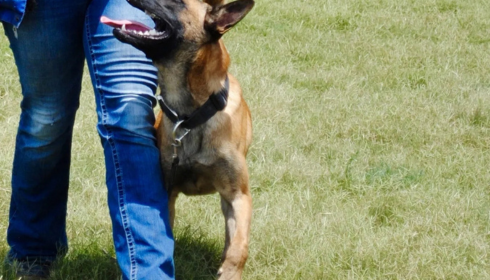
A dog training consultation is often the smartest first step for owners who want clear answers, practical direction, and a training plan that actually fits their dog. Many behavior problems look simple on the surface, yet the real cause is often more specific than people expect. Pulling on walks, barking at guests, ignoring commands, jumping, poor recall, reactivity, and restless indoor behavior may all look like general disobedience, but each issue can come from a different mix of routine, environment, timing, and communication.
That is why a dog training consultation matters. Instead of relying on guesswork, random online tips, or inconsistent advice from different sources, a consultation helps identify what is really happening and what steps can create progress. For dog owners in Phoenix, where dogs often deal with neighborhood distractions, outdoor activity, visitors, parks, and daily stimulation, a clear training plan can make everyday life much easier.
Why a Dog Training Consultation Matters
Not every dog needs the same kind of training. Some dogs need help with basic obedience. Others need stronger leash manners, calmer greetings, better recall, or more structure inside the home. Some dogs are confident but impulsive. Others are anxious, overstimulated, or reactive in specific situations. Without proper evaluation, it is easy to spend time using the wrong methods for the wrong issue.
A dog training consultation helps bring clarity to that problem. It gives the owner a chance to understand the dog’s behavior in context rather than treating every issue as a simple lack of discipline. That difference matters because the right plan can save time, reduce frustration, and create better long-term results.
A good consultation can help identify:
- Why the behavior is happening
- When the behavior is most likely to appear
- What routines may be reinforcing the issue
- Which training goals should come first
- How the owner can support progress at home
- What type of training structure makes the most sense
This kind of guidance often becomes the foundation for everything that comes next.
What Happens During a Dog Training Consultation
Many people hear the phrase dog training consultation and assume it is just a short conversation with general advice. A quality consultation should be much more useful than that. The purpose is to assess behavior carefully, understand the dog’s current habits, review the owner’s goals, and create a realistic next step.
That process may include:
- Discussing the dog’s age, background, and routine
- Reviewing specific behavior concerns
- Identifying triggers and patterns
- Observing how the dog responds in certain situations
- Noticing communication or handling issues
- Recommending the most practical training path
This kind of structure matters because good training starts with accurate information. Without that foundation, even the best intentions can lead to inconsistent results.
Why Guesswork Slows Training Progress
One of the biggest reasons owners feel stuck is that dog behavior problems often look easier to solve than they really are. A dog that pulls may seem stubborn. A dog that barks may seem dominant. A dog that ignores recall may look disobedient. In reality, the issue may involve excitement, inconsistent reinforcement, unclear commands, weak structure, poor timing, or environmental overload.
That is where a dog training consultation becomes valuable. It helps separate assumptions from reality. Instead of trying ten different ideas and hoping one works, the owner gets a more focused understanding of what is actually driving the behavior.
Common problems caused by guesswork include:
- Using the wrong correction for the wrong behavior
- Rewarding unwanted habits by accident
- Practicing skills in settings that are too difficult too soon
- Expecting obedience without a strong enough foundation
- Misreading stress, fear, or overstimulation as stubbornness
A clear diagnosis often creates faster improvement than endless trial and error.
Dog Training Consultation for Puppies and Adult Dogs
A dog training consultation is not only for dogs with serious behavior problems. It can be just as helpful for puppies, adolescent dogs, and adult dogs that simply need stronger structure. Early guidance often prevents bad habits from taking hold, while later guidance can help correct habits that have already become routine.
For puppies, a consultation can help with:
- Crate and house training structure
- Early obedience planning
- Leash foundations
- Nipping and jumping
- Building calm routines
- Social confidence and manners
For adult dogs, a consultation can help with:
- Inconsistent obedience
- Pulling on walks
- Barking or reactivity
- Weak recall
- Poor manners around guests
- Stress in public environments
This makes consultation valuable at almost any stage of a dog’s life.
Why Owner Education Is So Important
Dog training is never only about the dog. The owner’s timing, tone, consistency, routine, and daily habits shape the outcome more than many people realize. A dog may only spend limited time with a trainer, but the owner is there every day. That means lasting progress often depends on how well the owner understands the process.
A strong dog training consultation helps owners learn how to:
- Recognize what triggers behavior
- Use commands more clearly
- Reward the right choices at the right time
- Avoid mixed signals
- Build more useful routines at home
- Set more realistic training expectations
This matters because many dogs are not failing from lack of intelligence. They are responding to patterns that have become unclear or inconsistent. Once the owner becomes more confident and informed, the dog often improves faster.
Dog Training Consultation Helps Prioritize the Right Goals
Some owners arrive with a long list of concerns. Pulling, barking, jumping, recall, chewing, lack of focus, and house manners may all be happening at once. Trying to fix everything at the same time can feel overwhelming. One of the biggest advantages of a dog training consultation is that it helps prioritize what matters most first.
That often means identifying:
- Which issue affects daily life the most
- Which behavior creates safety concerns
- Which skills should be built before others
- Which routines need to change immediately
- Which goals are realistic in the short term
This creates a plan that feels manageable instead of chaotic. Progress becomes easier when the next steps are clear.
Why Real-Life Context Matters in Dog Training
Dogs do not live in perfect training environments. They live in homes, neighborhoods, parks, sidewalks, and public settings where distractions are constant. That is especially true in Phoenix, where dogs may regularly encounter visitors, traffic sounds, outdoor movement, and stimulating walking routes. A training plan that ignores those realities is usually incomplete.
That is why a useful dog training consultation should look at real-life context. The same dog may behave very differently at home, on walks, near other dogs, around guests, or in a new environment. A smart consultation considers those differences instead of offering one general answer for everything.
Real-life context may include:
- Household routine and schedule
- Walking environment
- Presence of children or other pets
- Frequency of visitors
- Exercise and enrichment habits
- Level of daily structure inside the home
Behavior makes more sense when the full environment is part of the conversation.
When to Book a Dog Training Consultation
Some owners wait until behavior becomes severe before asking for help. In many cases, earlier support leads to easier progress. A dog training consultation can be helpful any time the owner feels uncertain about what to do next or notices that current efforts are not working.
A consultation may be especially useful when:
- Training feels inconsistent
- The dog behaves differently in different settings
- Online advice seems confusing or contradictory
- The owner is unsure where to begin
- Behavior is becoming more stressful over time
- Basic obedience is not carrying into real life
- The dog needs a more structured training plan
There does not need to be a crisis before getting guidance. Sometimes the best reason to schedule a consultation is simply to build a better foundation early.
What Makes a Good Dog Training Consultation
Not every consultation offers the same value. A useful session should leave the owner with more clarity, not more confusion. It should explain behavior in plain terms, identify realistic next steps, and connect the training plan to daily life.
A strong dog training consultation should provide:
1. Clear behavior insight
The owner should understand what may be driving the issue.
2. Practical recommendations
Advice should be realistic enough to apply at home.
3. Prioritized next steps
The plan should focus on what matters most first.
4. Owner guidance
The human side of the training process should be addressed too.
5. Real-world relevance
The recommendations should match the dog’s actual environment and routine.
This kind of support often makes training feel less overwhelming and much more actionable.
The Long-Term Value of Starting With Consultation
Many owners want immediate fixes, but strong dog training usually begins with accurate assessment. A dog training consultation can save time in the long run by helping the owner avoid ineffective methods and start with a clearer plan. It can also reduce frustration by making the process feel more structured and realistic.
Long-term value often includes:
- Better training direction
- Fewer repeated mistakes
- More confidence for the owner
- Better communication with the dog
- Stronger follow-through at home
- More efficient progress over time
This is why consultation is often one of the most important steps in behavior improvement.
A Local Option for Dog Owners in Phoenix
For dog owners looking for a dog training consultation in Phoenix, Rob’s Dog Training Business offers a local option focused on practical guidance, clearer communication, and better everyday behavior. Located at 4204 E Indian School Rd Phoenix, AZ 85018, the business supports owners who want more reliable obedience, better manners, and a clearer path forward.
Rob’s Dog Training Business provides support designed to help owners understand behavior more clearly and choose a training plan that fits their dog’s needs. Whether the goal is improving leash manners, addressing overstimulation, building better obedience, or creating stronger household structure, a thoughtful consultation can make a meaningful difference. More information about available services can be found at https://robsdogs.com/.
Practical Tips Before a Consultation
Owners can get even more value from a dog training consultation by preparing a few useful details ahead of time.
Helpful things to note include:
- Specific behavior concerns
- When the behavior usually happens
- What seems to trigger it
- What has already been tried
- Daily routine and exercise habits
- Whether the issue happens at home, outdoors, or both
The clearer the information, the easier it becomes to build a focused plan.
Conclusion
A dog training consultation is often the fastest way to replace confusion with clarity. Instead of guessing why a dog is struggling or trying random tips that may not fit the situation, a consultation helps uncover patterns, define priorities, and create a practical path forward. That guidance can improve not only obedience, but also daily routines, confidence, and overall quality of life with a dog.
For dog owners in Phoenix, Rob’s Dog Training Business offers a local resource for clearer training direction and more useful behavior support. With the right consultation, even frustrating habits can start to make sense, and the next step toward better behavior can become much easier to see.