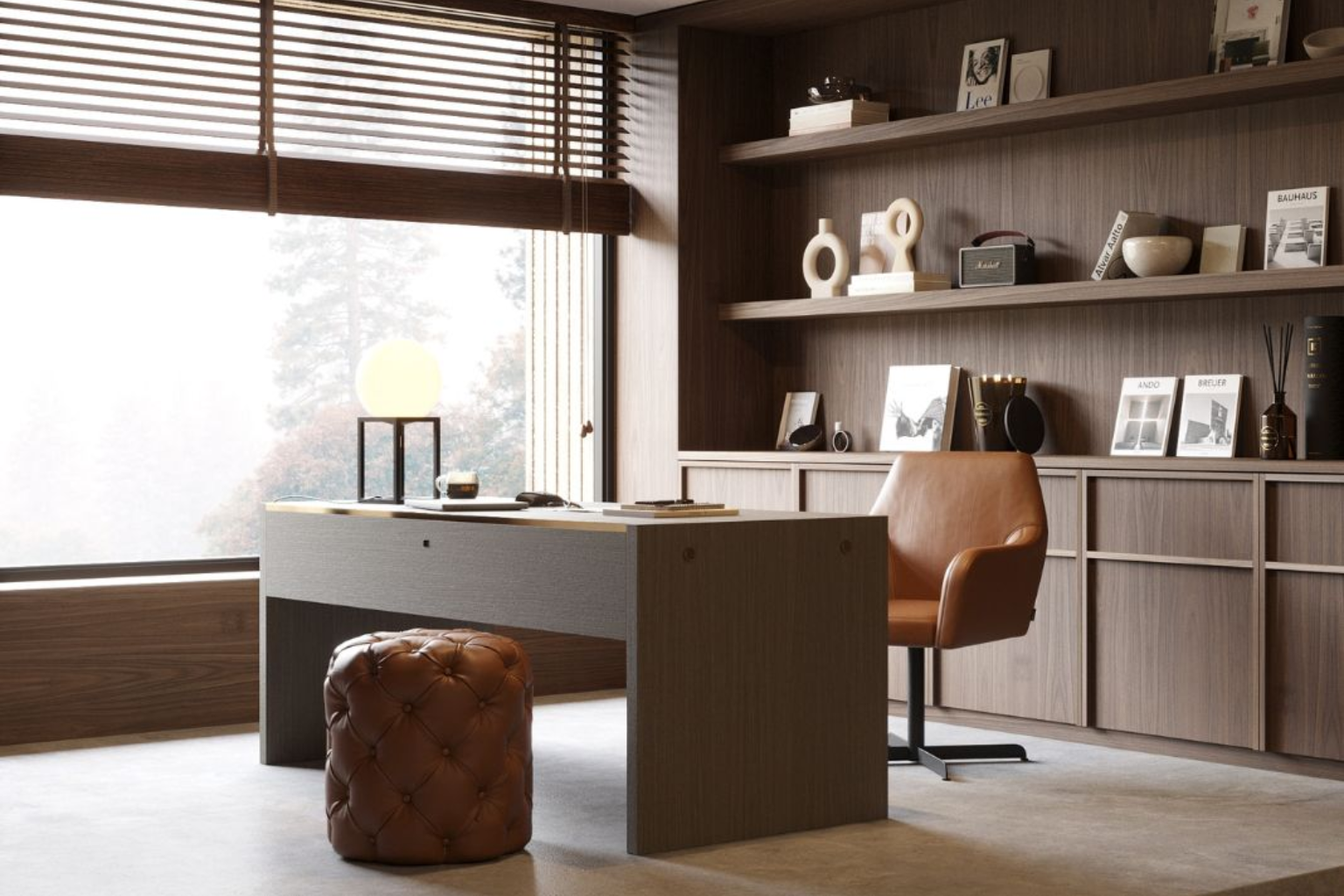
Ever walked into a room and instantly felt something?
Noticed your shoulders drop. Your breath deepen. Maybe a faint smile tugged at your face and you couldn’t even tell why. That’s not an accident. It’s not luck either. It’s design doing what it’s meant to do — quietly working behind the scenes to shape how we feel, not just how we move.
And let me be blunt: if your space isn’t making you feel something, then what’s the point?
The truth is, in this age of smart homes, zero-waste builds, and sleek minimalism, we sometimes forget the heart in the architecture. We optimize for efficiency, function, aesthetic perfection — but in doing so, we risk leaving out what matters most: connection, comfort, memory, soul.
Let’s explore what it really means to create spaces that feel human. Messy, warm, flawed, inspiring. Spaces that breathe with us, rather than just house us.
Not Just Pretty — Personal
Design shouldn’t just be about clean lines and curated furniture. It should be about people. How they live, how they move, how they feel within a space. That’s where emotional design walks in — and trust me, it doesn’t knock politely.
It considers more than just what looks good. It leans into nostalgia, into comfort, into the tiny details that evoke feeling. Maybe it’s the way the morning light hits your grandmother’s old chair in the corner. Maybe it’s the quiet hum of the kitchen that smells like weekend pancakes. These things matter.
Emotional design asks: how do we want this room to make us feel? Safe? Energized? Reflective? It isn’t flashy — it’s deeply human.
Sustainability Isn’t a Buzzword — It’s a Mindset
Let’s be real: the planet doesn’t need another overpriced accent chair destined for a landfill in two years.
Today’s most powerful spaces are built on sustainability — not just in materials but in philosophy. It’s about designing smarter, not bigger. Using what you have. Choosing items that last. Supporting local makers. Incorporating reclaimed wood, recycled metal, upcycled textiles.
But it’s more than green building checklists. It’s choosing timelessness over trends. It’s accepting that beauty can show its age — that patina is charm, not damage. It’s reducing waste not because it looks good on Instagram, but because it feels right.
Sustainable design doesn’t have to look rustic or earthy either. It can be clean, elegant, modern. The point is that it respects the environment while respecting your own future, too.
More Than Gadgets: Smart Spaces That Actually Feel Smart
Now, I’m no technophobe — I love a well-integrated smart home feature as much as the next person. But tech should never steal the spotlight. It should make your life easier without screaming for attention.
True technology integration blends into your daily rhythm. It’s the thermostat that adjusts based on your sleep cycle. The lights that dim when the sun sets. The speakers that follow your playlist from room to room like a gentle soundtrack to your day.
But beyond convenience, tech should enhance emotional comfort. A room that glows warmer when you’re winding down for the night? That’s tech working in sync with your nervous system. Not just turning on — but tuning in.
When done right, tech disappears into the background and lets the vibe take center stage.
The Power of Storytelling in Spaces
Here’s a thought: your home tells a story, whether you realize it or not. Every scratch on the floor, every photo frame, every chipped mug on the shelf — they say something about you.
So design with that story in mind.
Maybe you don’t want a perfectly matched living room. Maybe what you really want is to surround yourself with things that carry meaning — a painting you bought on a whim while traveling, or a blanket you’ve dragged across three different apartments.
When we lean into authenticity rather than polish, we give ourselves permission to be a little imperfect — and a lot more real.
Designing for the Senses
Here’s something not enough designers talk about: the best spaces aren’t just visual. They’re multi-sensory.
Think scent: lavender near the bed, citrus in the kitchen. Or sound — a small water feature that hums gently by your entryway. Touch matters too: rough brick walls, silky throw pillows, warm wooden floors under bare feet. Texture and sensation create deeper connection than any color palette ever could.
It’s not about sensory overload. It’s about gentle layering. Creating environments that speak to your body, not just your eyes.
Light That Lives With You
Forget overhead lights that feel like dentist offices. A well-designed space thinks about light the same way a painter thinks about canvas.
Morning light should pour into your breakfast nook. Evening shadows should stretch across cozy reading corners. Lamps should glow — not blind.
Lighting is one of the most emotionally impactful tools in design, and it’s so often an afterthought. Warmth, softness, direction — they all shape mood more than that new sofa ever will.
So open those curtains. Add dimmers. Swap bulbs. Notice how the whole room changes, just from a shift in tone.
Flexibility Is Freedom
Your space should grow with you. Which means it shouldn’t be rigid.
Maybe your guest room turns into a home office. Maybe the nursery becomes a meditation space. Design with flexibility in mind — modular furniture, moveable pieces, walls that breathe.
Function shouldn’t be locked in stone. Life isn’t. So why should your layout be?
Don’t Forget Delight
This one’s easy to miss. We get so caught up in flow and color coordination and material sourcing that we forget — spaces should have fun.
Hang something unexpected on the wall. Toss in a bright pop of color where no one’s looking. Add something that’s purely for your own joy, not to impress guests or followers.
Maybe it’s a disco ball in the bathroom (yes, really). Or a mural painted by your niece. Or that neon sign you secretly love.
Design doesn’t have to be serious to be sincere.
The Gentle Conclusion
If you take nothing else away from this, let it be this: design isn’t about getting it “right.” It’s about making it yours.
Your home — or office, or studio, or whatever little nest you’re shaping — should support you like a good friend. It should inspire you, calm you, energize you. It should know when to fade into the background and when to shine.