There’s a moment—quiet, almost forgettable—when you start wondering about your water. Not in a dramatic way. Just a passing thought while filling a glass or stepping into the shower. Something feels slightly off. Not bad, just… not great either.
And once that thought settles in, it tends to stick.
Most of us start small when we think about improving water. A filter on the tap, maybe a pitcher in the fridge. It makes sense. Drinking water is the obvious place to begin.
But over time, a different question starts to take shape: what about the rest of the house?
Water Isn’t Just What You Drink
It’s easy to forget how much water shapes your daily life beyond that one glass you pour. You shower in it. Wash your clothes in it. Cook with it. Even the air in your home—through humidity and steam—carries traces of it.
So when water quality isn’t quite right, the effects don’t stay contained to one faucet.
You feel it in your skin after a shower. You notice it in how your appliances perform. Sometimes, it shows up in ways you don’t immediately connect to water at all.
And that’s usually when people start thinking bigger.
Looking Beyond Point Solutions
Single-point filters do their job, no doubt. They improve water where they’re installed. But they don’t change what’s happening throughout the rest of your home.
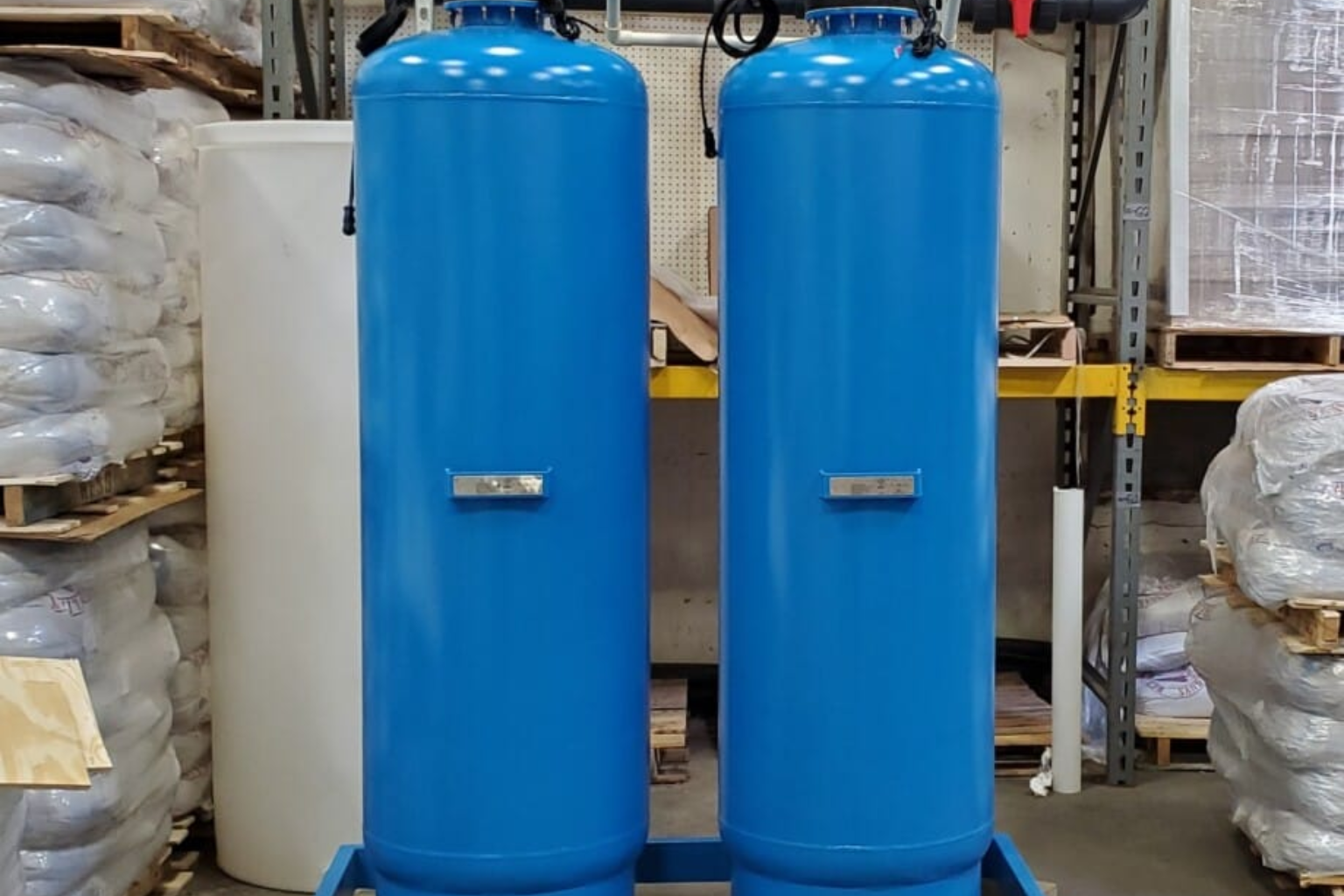
That’s where whole house reverse osmosis options begin to make sense—not as an upgrade for the sake of it, but as a shift in perspective. Instead of treating water in one spot, you’re addressing it at the source.
Every tap, every shower, every appliance receives the same level of treatment. It’s a more complete approach, one that feels less like patchwork and more like a long-term solution.
The Difference You Notice Slowly
What’s interesting about whole-home systems is that the change doesn’t hit you all at once. It’s gradual.
At first, maybe you notice your water tastes cleaner. Then your shower feels different—softer, less harsh. Your laundry seems to come out better without extra effort. Over time, even your home’s fixtures look cleaner, without constant scrubbing.
It’s not dramatic, but it’s consistent.
And consistency, in a home, matters more than we usually admit.
What Purity Really Means in Practice
We often hear the phrase “clean water,” but it’s worth asking what that actually means.
For many homeowners, it’s not just about safety—it’s about refinement. Removing the elements that affect taste, odor, and performance. Creating water that feels as good as it functions.
This is where systems designed for high quality purification come into play. They go beyond basic filtration, targeting dissolved solids and microscopic impurities that standard methods might miss.
It’s not about chasing perfection—it’s about elevating what you already have.
The Hidden Benefits No One Talks About Enough
There’s a practical side to all of this that often gets overlooked.
When your water is properly treated, your appliances don’t have to work as hard. Scale buildup is reduced. Pipes stay cleaner. Maintenance becomes less frequent.
These are the kinds of benefits that don’t show up immediately, but they add up over time. Less wear and tear. Fewer repairs. A smoother-running home overall.
It’s the kind of improvement that pays you back quietly.
It’s Not for Everyone—and That’s Okay
Now, to be honest, whole-home systems aren’t necessary for every household. And they shouldn’t be approached that way.
Some homes do perfectly fine with smaller, targeted solutions. Others—especially those dealing with more complex water issues—might benefit from a broader approach.
The key is understanding your situation.
What’s in your water? What issues are you noticing? What do you actually want to improve? These questions matter more than any product comparison.
Because when the solution fits your needs, everything else feels more natural.
A Different Kind of Upgrade
We tend to think of upgrades in visual terms. New countertops, modern lighting, fresh paint. Things you can see and appreciate instantly.
Water doesn’t work like that.
It’s invisible. Quiet. It doesn’t ask for attention. But it influences your home in ways that go deeper than most visible changes.
And once you improve it, you start to notice those subtle shifts. Not all at once, but gradually, like a background noise fading away.
Living With It Becomes Effortless
One of the most telling signs that you’ve made the right change is when you stop thinking about it altogether.
You don’t question your water anymore. You don’t adjust your routines around it. You just use it, without hesitation or second thoughts.
And that sense of ease—of not having to wonder—is worth more than most people expect.
A Final Thought That Lingers
Water is one of those things we rely on constantly, yet rarely evaluate. It’s always there, doing its job, blending into the background.
But that doesn’t mean it can’t be better.
And sometimes, improving something so fundamental doesn’t just change one part of your home—it changes how your home feels as a whole.
Not louder. Not flashier. Just… better, in ways that quietly stick with you.