Let’s be honest—no one really dreams about water treatment systems. It’s not something you bring up at parties. But if you’re running a business—whether it’s a bustling café, a manufacturing facility, a health clinic, or even a co-working space—water matters more than you might think.
And no, not just the kind that comes with lemon wedges.
Why Water Quality Deserves a Spot on Your To-Do List
You’ve probably got 99 problems, and water shouldn’t be one. But guess what? If you’re ignoring what’s flowing through your pipes, taps, or coffee machines, it just might be. Poor water quality isn’t just bad for taste—it can corrode your expensive appliances, throw off chemical processes, mess with customer satisfaction, and even affect employee health.
Imagine running a salon with hard water. Shampoo doesn’t lather, equipment clogs faster than you can say “calcium buildup,” and your clients’ hair feels like hay. Not a good look.
That’s why investing in a good water treatment system isn’t just responsible—it’s strategic. It saves you money in the long run, and quietly protects your brand’s reputation.
What’s in Your Water? Probably More Than You Want
Municipal water might be treated, but that doesn’t mean it’s perfect. Depending on where you’re located, you could be dealing with:
- Excess minerals like calcium and magnesium
- Chlorine or chloramine residues
- Microorganisms (yes, the creepy kind)
- Heavy metals like lead and mercury
- Sediment and rust from old infrastructure
And while some of these aren’t immediately harmful, they accumulate. In pipes. In coffee machines. On your reputation.
When Scale Becomes a Problem (Literally)
If you’ve ever seen those white crusty rings around faucets or noticed reduced water pressure, you’re looking at scale buildup. Hard water is the usual suspect, and it wreaks havoc on plumbing, heating systems, dishwashers, boilers—you name it.
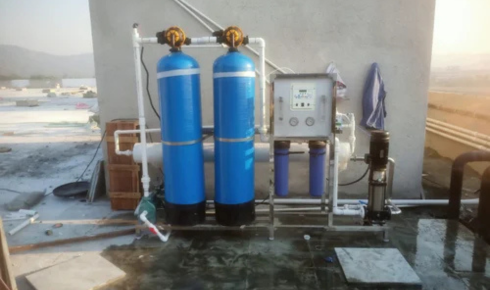
That’s where commercial water softeners come in. These aren’t your run-of-the-mill home gadgets. They’re designed to handle high volumes and serious mineral loads without breaking a sweat (or your bank). They work by exchanging hard ions—like calcium and magnesium—for softer ones like sodium or potassium, keeping your equipment in top shape and extending their life expectancy.
One business owner I spoke with said installing a water softener cut down their maintenance costs by 40% over the year. That’s not small change—it’s peace of mind and predictable budgeting.
Why UV Isn’t Just for Sunglasses Anymore
Let’s talk about something a little more sci-fi sounding—ultraviolet water purification.
While filters catch sediment and softeners handle minerals, there’s still one biggie you can’t ignore: microorganisms. Bacteria, viruses, protozoa—they can sneak in through even “treated” municipal supplies or contaminated wells. And if your business is in food prep, healthcare, or childcare, that’s a risk you absolutely can’t afford.
That’s why uv water treatment for businesses is gaining popularity across sectors. It uses UV-C light to damage the DNA of harmful microorganisms, rendering them inactive and unable to multiply. No chemicals, no weird taste, no waste.
It’s basically like sending germs to a tanning salon they’ll never come back from.
Pairing Systems Like a Pro: The Cocktail Approach
The truth is, no single water treatment method is perfect on its own. That’s why the smart move is to think in layers.
Think of it like this:
- A sediment pre-filter removes sand, rust, and particles
- A carbon filter tackles taste, odor, and chlorine
- A softener handles minerals
- A UV system disinfects
- And if you’re really serious—maybe throw in a reverse osmosis stage for ultra-purification
Sure, that may sound like overkill, but for many commercial operations, it’s just the baseline. Especially if your water source is unreliable, your business has health code regulations, or you’re just tired of constantly calling the plumber.
Real-World Examples (Because Theory Only Gets You So Far)
A medium-sized hotel in Nevada upgraded from a single carbon filter to a full multi-stage system including UV and softening. Within six months, they reported fewer guest complaints about water taste, lower laundry detergent usage, and zero equipment replacements.
A popular local brewery? Their beer started tasting more consistent after installing a softener + carbon block + UV combo. Turns out, water chemistry messes with fermentation more than you’d think.
Even a humble daycare center installed UV filtration after a minor bacterial scare. Now? Parents trust them even more, and they’ve added it to their marketing as a safety feature.
So… Is It Worth It?
Let’s strip it down. Clean water means:
- Healthier employees and customers
- Longer-lasting equipment
- Fewer plumbing emergencies
- Compliance with industry regulations
- Better tasting coffee (this alone is worth it)
And all of this translates into money saved, headaches avoided, and—best of all—a smoother operation.
Final Thoughts: You Can’t Afford to Guess
If you haven’t tested your business’s water recently, do it. Like, tomorrow. Or now if you’re reading this during business hours.
Talk to a water treatment expert. Get a water analysis done. Don’t blindly trust your city supply or assume your basic filter is doing enough. You might be one bad lab test away from a disaster—or one smart upgrade away from years of smooth sailing.
Investing in a water treatment system isn’t about being fancy. It’s about being smart. And your future self—plus your customers, equipment, and bottom line—will thank you.