GI Tags and Handloom Marks Explained: How to Verify You Are Buying Authentic Weaves
The word handloom gets used loosely enough in online listings that it has started to lose some of its meaning. Understanding what certifications like a Geographical Indication tag or the India Handloom Mark actually verify helps cut through marketing language and identify genuine handwoven pieces with more confidence. What a Geographical Indication tag actually certifies […]
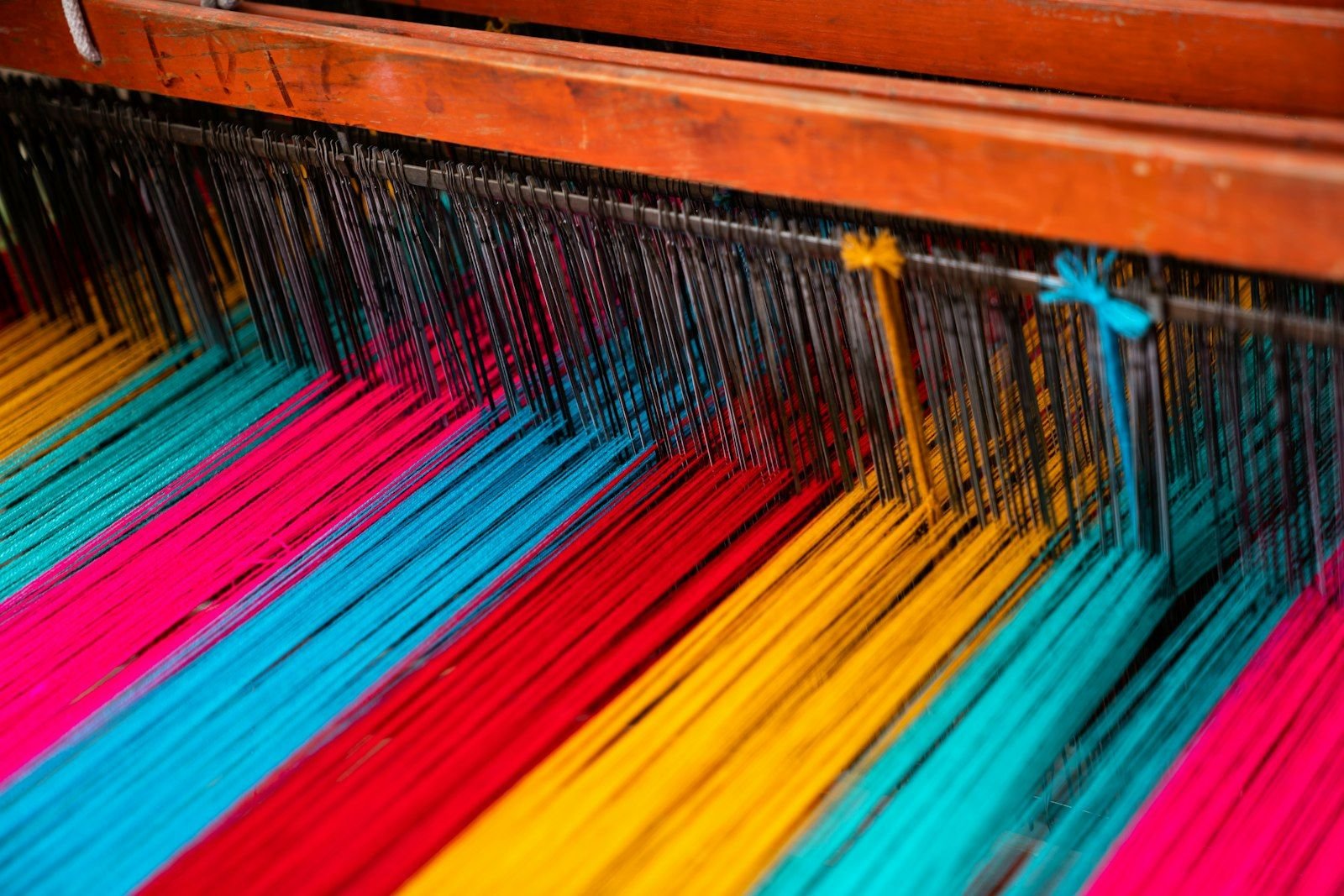
The word handloom gets used loosely enough in online listings that it has started to lose some of its meaning. Understanding what certifications like a Geographical Indication tag or the India Handloom Mark actually verify helps cut through marketing language and identify genuine handwoven pieces with more confidence.
What a Geographical Indication tag actually certifies
A GI tag identifies that a product originates from a specific geographic region and possesses qualities or a reputation attributable to that origin. Banarasi silk from Varanasi and Chanderi fabric from Madhya Pradesh are both examples of GI-tagged textiles. The tag does not automatically guarantee handloom production, but it does confirm the weave follows traditional techniques and originates from the region it claims to.
The India Handloom Mark and what it checks for
The India Handloom Mark, introduced by the Ministry of Textiles, is a separate certification specifically aimed at guaranteeing genuine handloom production, use of quality raw materials, and adherence to defined design specifications. Unlike a GI tag, which is tied to a region, the Handloom Mark is tied specifically to the weaving process itself, making it a more direct indicator that a piece was made on a handloom rather than a powerloom.
Related context How Fashion Has Become a Reflection of Confidence and Success
Spotting the difference between handloom and powerloom
Beyond formal certification, a few physical cues help distinguish handloom from powerloom fabric. Handloom weaves typically show slight irregularities in the weft, small variations that give the fabric a subtly uneven, organic texture. Powerloom fabric, by contrast, tends to look uniformly perfect, with a flatter, more mechanical finish. The reverse side of a handloom piece usually closely resembles the front, whereas powerloom fabric often has a noticeably different, less finished back.
Fabrics such as handwoven Tussar silk sarees tend to show these irregularities especially clearly because of the natural, slightly uneven texture of tussar yarn itself, which makes it a useful fabric to study when learning to recognise genuine handloom work.
Related context Finding the Right Solitaire Engagement Ring: Moissanite vs. Diamonds
Questions to ask a seller before you buy
A seller who can specifically name the weaving region, describe the technique used, and speak to the fabric composition in detail is generally a safer bet than one offering only vague descriptions like ‘traditional’ or ‘ethnic weave’. Asking directly whether a piece is GI-tagged or carries the India Handloom Mark, and requesting close-up photographs of the weave and border, are reasonable questions any legitimate handloom seller should be able to answer without hesitation.
Why authenticity matters beyond the price tag
Buying genuinely handwoven pieces does more than guarantee a certain quality of fabric. It directly supports the weaver communities whose livelihoods depend on handloom demand staying strong enough to sustain traditional techniques that might otherwise disappear as powerloom production becomes cheaper and faster.
Related context Choosing the Right Diamond: A Guide to Lily Arkwright’s Engagement Rings
Conclusion
Certifications like GI tags and the India Handloom Mark exist precisely because handloom is easy to imitate and difficult for an untrained eye to verify. Learning what these marks actually guarantee, and knowing which physical cues to look for, puts buyers in a far stronger position to make sure their money is genuinely supporting the craft they think they are buying.