Choosing the Right Commercial Dumpster Size for Your Business: A Guide to 3, 4, and 6-Yard Containers
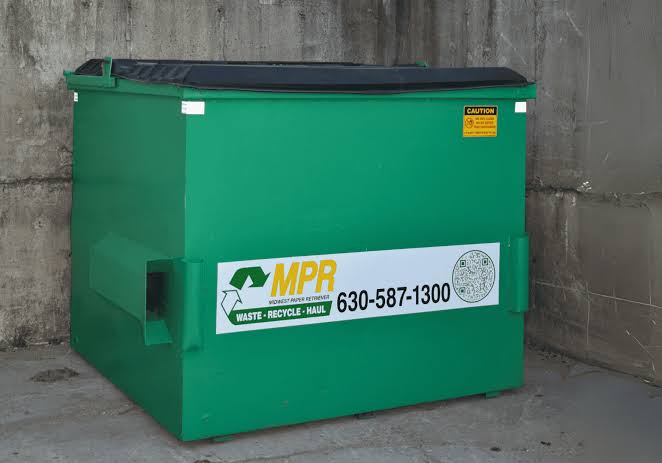
Running a business comes with plenty of decisions, and choosing a garbage container probably isn’t the most exciting one. Still, anyone who has dealt with overflowing dumpsters, unexpected collection charges, or cluttered storage areas knows how important that decision can be.
The right dumpster should accommodate your everyday waste without taking up unnecessary space or stretching your operating budget. Too small, and you’re constantly arranging extra pickups. Too large, and you’re potentially paying for capacity you’ll rarely use.
Commercial dumpsters come in several sizes, each suited to different waste volumes and business requirements. Understanding the differences between smaller and larger containers can help you establish a disposal routine that works without demanding constant attention.
When a Smaller Commercial Dumpster Makes Sense
Not every business generates enormous amounts of garbage. Small offices, independent boutiques, and modest commercial properties may produce relatively predictable quantities of everyday waste.
A 3-yard commercial dumpster can be a practical choice for businesses with low to moderate waste volumes, particularly those that have limited space available for container placement.
With approximately three cubic yards of capacity, this container provides a reasonable amount of storage for approved commercial garbage between scheduled collections.
Think about a small insurance office where employees primarily discard lunch packaging, general office waste, and occasional shipping materials. Renting a significantly larger container might represent an unnecessary expense.
However, collection frequency matters. Even a smaller business may require additional capacity if waste is produced faster than scheduled pickups can accommodate.
Finding the Middle Ground With a Four-Yard Container
Some businesses sit somewhere between modest and substantial waste generation. Their garbage volume isn’t particularly high every day, but it can increase noticeably during busy periods.
A 4-yard commercial dumpster offers additional capacity for establishments such as retail stores, medium-sized offices, and smaller restaurants, depending on their waste characteristics and collection schedules.
This size can provide useful flexibility without requiring the placement space associated with larger containers.
Consider a neighborhood clothing store receiving regular merchandise deliveries. Throughout the week, employees accumulate packaging materials, damaged supplies, and general garbage.
A slightly larger container could help manage occasional increases in waste without requiring emergency collections.
Separating accepted recyclable cardboard may also reduce pressure on the general waste container. Sometimes, better sorting makes just as much difference as increasing dumpster capacity.
Managing Higher Waste Volumes With a Larger Dumpster
Busy commercial properties often require more substantial disposal arrangements. When several employees generate waste throughout the day, smaller containers can fill remarkably quickly.
A 6-yard commercial dumpster may be suitable for larger restaurants, shopping centers, warehouses, and other businesses producing considerable quantities of approved commercial waste.
Its increased capacity can help accommodate higher disposal demands between collections, provided the pickup schedule is appropriate.
Imagine a busy restaurant preparing for a holiday weekend. Food preparation, customer orders, and incoming deliveries all contribute to additional waste.
Having sufficient container capacity helps employees maintain a more organized working environment during these demanding periods.
Nevertheless, larger containers aren’t always the best solution. Businesses generating substantial amounts of food waste may benefit from more frequent collections rather than simply allowing garbage to remain onsite longer.
Why Collection Frequency Is Just as Important as Size
It’s easy to focus entirely on dumpster dimensions when comparing commercial waste services. But how often the container is emptied can be equally important.
A smaller dumpster collected several times a week might serve certain businesses better than a larger container collected less frequently.
Consider the type of waste your business generates. Food scraps can develop unpleasant odors relatively quickly, while dry packaging materials may be easier to store temporarily.
Your collection schedule should reflect these differences.
Review how full your existing container becomes before each pickup. If it’s consistently overflowing, additional capacity or more frequent collection may be necessary.
If it rarely reaches half capacity, there could be an opportunity to adjust your service arrangement and reduce unnecessary expenses.
Making Sure Your Property Can Accommodate the Dumpster
Before selecting a container, take a walk around your commercial property.
Where will the dumpster sit? Can employees access it easily? Is there enough clearance for collection vehicles to operate safely?
Actual container dimensions vary between manufacturers and service providers, making it important to confirm measurements beforehand.
Pay attention to nearby fences, overhead obstructions, parked vehicles, and delivery entrances.
You don’t want a garbage container interfering with customer parking or making routine deliveries unnecessarily difficult.
An accessible, appropriately positioned dumpster makes waste disposal more convenient for everyone involved.
Understanding the True Cost of Commercial Waste Collection
Monthly rental charges are only part of the financial picture. Additional pickups, excess waste, prohibited materials, and other service-related fees can influence overall expenses.
Before signing an agreement, ask what’s included in your collection plan.
Find out whether collection frequency can be adjusted during seasonal changes or periods of business expansion.
It’s also sensible to review your waste generation periodically. A business that has grown considerably since opening may no longer have suitable disposal arrangements.
Transparent pricing and flexible service options can make managing these expenses considerably easier.
A Practical Investment in a Cleaner Workplace
Choosing a commercial dumpster doesn’t need to become an unnecessarily complicated decision.
Start by understanding your waste volume, available placement space, and collection requirements. Consider how these needs might change as your business develops.
Encourage employees to separate accepted recyclable materials and follow appropriate disposal guidelines.
Ultimately, a suitable dumpster should fit naturally into your daily operations. It should help maintain cleaner surroundings, minimize unnecessary interruptions, and keep waste collection expenses manageable.
Running a business is demanding enough already. With the right container and dependable collection arrangements, managing garbage can become one less thing to worry about.