It’s easy to take that cold glass of water for granted. We twist the tap, fill the bottle, and sip — without a second thought. But beneath that clear surface could be a cocktail of invisible contaminants. No, this isn’t fear-mongering. It’s reality. From urban pipes to rural wells, the journey of water isn’t always as pure as it seems. That’s where a good filter steps in — but let’s be honest, not all filters are created equal.
The Hidden Journey Behind Every Sip
Imagine the path water travels before it reaches your glass. It flows through rivers that collect runoff from farms, industrial sites, or urban landscapes. It snakes through treatment plants, where chlorine, fluoride, and other chemicals are added. Then it travels through potentially aging or corroded plumbing, finally gushing out into your sink. That journey might include more than you bargained for — think trace pharmaceuticals, microplastics, chlorine byproducts, and heavy metals.
And here’s the thing: taste and smell won’t always tell you what’s really in your water. Even “clear” water can be misleading.
A Case for Smarter Filtration
Now, if you’re like most folks, the word “filter” probably brings to mind a jug you bought on sale at a big box store. You know the one — slow to fill, good enough to remove that chlorine tang. But is “good enough” really enough?
Let’s talk about the activated carbon filter, a true hero in the filtration world. This type of filter excels at removing organic compounds, chlorine, and those nasty odors and tastes. The science behind it is beautiful — millions of tiny pores in the carbon act like a sponge, trapping unwanted guests while letting pure water pass through. It’s a natural process, and it’s remarkably effective at making your water feel fresh again.
But here’s the catch: carbon filters have their limits. They’re excellent for taste and smell, but not the best at removing minerals, salts, or certain heavy metals. That’s why a single filtration method often isn’t enough — especially if you’re serious about what you’re putting into your body every day.
Going Deeper: The Power of Reverse Osmosis
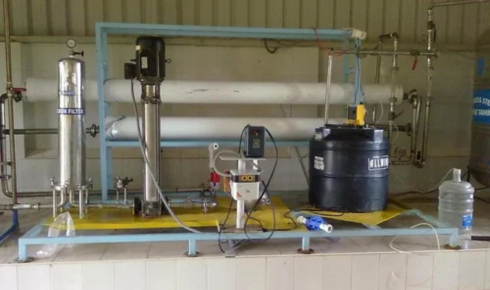
Enter the more heavy-duty solution: reverse osmosis. Yeah, it sounds like something from high school chemistry class, but it’s simpler (and smarter) than it sounds. Reverse osmosis (RO) systems force water through a semipermeable membrane, removing even the tiniest of contaminants — think lead, arsenic, nitrates, and even some viruses.
RO systems are like the bouncers at a VIP club — if the molecule doesn’t meet strict purity standards, it’s not getting through.
Sure, RO isn’t perfect. It can waste some water during the process, and it often removes minerals you might actually want in small amounts. But for homes dealing with serious contamination — whether it’s well water loaded with nitrates or municipal water with high TDS — RO can be a game-changer.
And here’s a pro tip: many high-end home filtration systems now combine reverse osmosis with activated carbon filters, giving you a two-step punch that knocks out both the visible and invisible bad guys.
The Problem with “Trusting the Tap”
Now, I get it — it’s tempting to assume our city or town has it handled. After all, they treat the water, right? But public water systems only meet minimum federal standards — and frankly, those standards haven’t caught up with newer threats like PFAS (the infamous “forever chemicals”).
In fact, a 2021 study found that nearly 200 million Americans may have tap water containing PFAS — chemicals linked to cancer, liver damage, and hormonal disruption. That’s not exactly something you want to roll the dice on.
This isn’t paranoia. It’s just being aware. Testing your water is step one. A basic home test kit can tell you if you’re dealing with hard water, lead, bacteria, or other common issues. And if your results raise eyebrows? It might be time to bring in the big guns.
Real People, Real Water Problems
Take my friend Mark, for example. He lives just outside a small town and relies on well water. For years, he noticed orange rings in the toilet bowl and strange tastes in coffee. But it wasn’t until a water test revealed high iron and sulfur levels that he realized the extent of the issue.
Now? He’s got a combo system — iron filter, activated carbon filter, and an RO tap in the kitchen. The difference is night and day. Cleaner water, better coffee, no more scrubbing toilet rings.
Or there’s Carla, who lives in the suburbs with her kids. After news broke about elevated lead levels in the school district’s water, she installed a multi-stage under-sink system with reverse osmosis. “It’s one less thing to worry about,” she told me. “Especially for the kids.”
Water Quality Isn’t a Luxury — It’s a Basic Right
Let’s not pretend this is about fancy kitchen upgrades. This is about water quality — something every person deserves, regardless of zip code or income. Contaminated water doesn’t just taste bad. It can cause lifelong health issues, from developmental delays in kids to kidney damage in adults.
So why don’t more people talk about this? Maybe it’s because water is invisible until it’s a problem. Or maybe it’s because we trust systems that aren’t always equipped to keep up with modern pollutants.
But the truth is, clean water isn’t something we should hope for — it’s something we should demand, measure, and maintain.
Final Thoughts: Filtering Out the Noise
If there’s one takeaway from all this, it’s that the water you drink matters more than you think. It’s not about paranoia. It’s about awareness. And once you’re aware, why wouldn’t you do something about it?
Whether that’s testing your tap, upgrading from a basic pitcher, or going all-in with a multi-stage system, the point is this: your health is worth the effort.
Because in a world full of things you can’t control — traffic, politics, bad weather — what flows from your tap is one thing you actually can..