If you’ve ever run a busy restaurant, operated a hotel, or managed a laundromat, you know that the smallest operational glitches can ripple into full-blown disasters. Dirty dishes, faded linens, or water-stained fixtures can turn guests off faster than you can say “five-star review.” While we often obsess over service, decor, or marketing, there’s something far less glamorous quietly running the show: water quality.
Yeah, water. That seemingly simple H2O coming out of your taps might be doing more damage than you think — to your appliances, your budget, and your brand image.
Let’s get into it.
The Hidden Villain in Your Pipes: Hard Water
Most people think of water as… well, just water. But the reality is far more nuanced. In many regions, water is classified as “hard,” meaning it’s rich in minerals like calcium and magnesium. While those might sound healthy, in a commercial setting, they can cause limescale buildup in pipes, cloudiness on glassware, and a general reduction in the performance of anything that uses water.
Now imagine running a restaurant and realizing your dishwashers are churning out foggy wine glasses and spot-covered cutlery. Not a great look.
That’s where restaurant water softeners come in. These systems remove those minerals, turning your hard water into soft water. It might seem like a small switch, but it can massively upgrade the way your kitchen operates — smoother water flow, cleaner plates, longer-lasting equipment. It’s the kind of behind-the-scenes upgrade your customers won’t notice directly, but they’ll definitely feel the effects of it.
Laundry, But Make It Commercial
Let’s flip the script. You’re not running a restaurant, but a hotel or a laundry-heavy business. Linens are the face of your brand — literally touching your customers. Rough towels, discoloured sheets, or stiff uniforms can quietly damage customer satisfaction. And again, hard water is often the culprit.
Mineral-heavy water doesn’t just ruin the look and feel of fabrics — it also reduces the effectiveness of detergents, meaning you’re using more product and energy just to get average results. A commercial washing machine dealing with hard water works overtime. Costs go up, efficiency goes down.
That’s where commercial laundry softening becomes a game changer. It’s not just about fluffier towels (though those are nice); it’s about long-term savings, fewer maintenance issues, and extending the life of your fabrics. For any brand where presentation and hygiene matter — think hospitals, gyms, or boutique hotels — water softening is more necessity than luxury.
The Myth of Intermittent Soft Water
Some businesses make the mistake of opting for a low-budget, timer-based water softener, thinking it’ll be “good enough.” The problem? These systems often regenerate at set intervals, regardless of whether water is actually being used. Worse, they can run out of softened water during peak hours.
Imagine having perfectly soft water… until lunchtime. Then, your dishwashers fill with hard water, and your guests start noticing spots on their glasses. Not ideal.
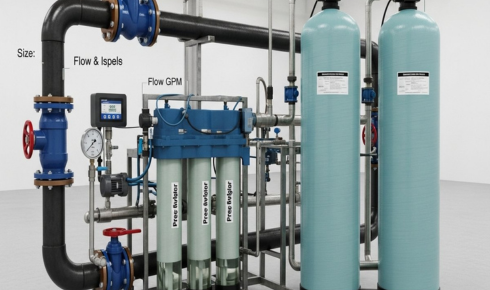
To avoid these awkward glitches, businesses are now leaning into systems that guarantee a continuous soft water supply. These setups use dual-tank systems or sensor-based regeneration, ensuring there’s always soft water available — no matter the time of day or how much demand is on the system. It’s like having an always-on, behind-the-scenes assistant keeping everything flowing smoothly.
Real-World Payoff: More Than Just Soft Towels and Clean Dishes
Let’s talk ROI. A high-performance water softening system isn’t just an operational upgrade — it’s a smart financial move. Here’s how:
- Reduced Equipment Wear: Dishwashers, steamers, boilers — they all last longer and require fewer repairs when running on soft water.
- Lower Energy Bills: Limescale buildup in heating elements makes them less efficient. Soft water keeps them clean, meaning they heat faster and use less energy.
- Less Detergent Waste: Soft water boosts detergent efficiency, so you’ll use less soap for better results.
- Happier Customers: Whether it’s spotless silverware or plush, soft towels — the customer experience improves dramatically.
Soft water becomes a silent partner in your business, consistently helping you present your brand at its best.
A Word on Environmental Impact
You might be wondering — is water softening eco-friendly? It depends on the system. Older models can be salt-heavy and water-wasteful during regeneration cycles. But newer, high-efficiency units use far less salt and water, and some even offer salt-free conditioning alternatives. If sustainability is part of your brand ethos, it’s worth asking suppliers about green-certified options.
Bonus: using less detergent and keeping machines in top shape also reduces your carbon footprint. It’s a win-win.
Picking the Right System Isn’t One-Size-Fits-All
So, should every business just go online and grab the first water softener they see? Not quite.
Each commercial setup has its quirks — water hardness levels, daily usage patterns, available space, and even local regulations. The system that works for a family-owned café might not cut it for a high-volume hospital laundry. A good supplier will start with a water test, assess your specific needs, and tailor a solution that makes sense long-term.
Pro tip? Don’t skimp here. Going cheap upfront often means paying double in repairs, replacements, or lost reputation down the line.
Wrapping It Up: The Invisible Upgrade That Changes Everything
In the world of business, especially hospitality and service, it’s the little things that add up. Guests don’t see your water softener. They don’t marvel at the improved flow rate in your pipes or the efficiency of your boilers. But they will feel it — in cleaner dishes, fresher sheets, better-tasting drinks, and smoother operations overall.
Water is a foundation of your daily operations. Treating it like an afterthought? That’s a rookie move.
If you want smoother workflows, reduced costs, and an improved customer experience — maybe it’s time to rethink what’s running through your pipes.