Water’s the kind of thing we all expect to just… be there. Turn on the tap, and voilà—clean, fresh water ready to go. But what about when you need a lot of it? Not just a few gallons, but thousands? Maybe for a large construction site, a rural property off-grid, an event setup, or a tank refill during an emergency?
In those moments, everyday access isn’t enough. You need a truck. A plan. And someone who knows how to move serious volumes without creating more problems than they solve. That’s where bulk potable water delivery comes in—and trust me, it’s more interesting (and critical) than most people think.
Let’s dive into why this niche service is a lifeline for some, a convenience for others, and an operational must-have for many.
More Than Just “Water on Wheels”
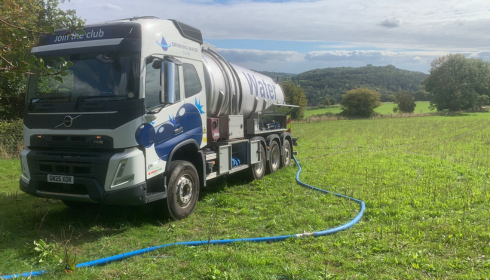
The idea sounds simple: big trucks haul big water. But in reality, there’s a whole lot more happening behind the scenes. When you’re delivering 1,000 to 6,000 gallons (or more) of drinkable water, the stakes are higher than just getting from point A to point B.
The water has to be clean, certified potable, and handled using sanitary equipment. The truck itself needs to meet specific regulations, and the hoses, tanks, and even the driver’s practices all contribute to water quality.
That’s why bulk potable water delivery isn’t a casual gig. It’s a specialized service where precision, timing, and safety matter. And for folks who rely on cisterns, water tanks, or remote wells, it’s often their only source of safe water—especially during a drought or mechanical failure.
Construction Sites and the Thirst for Infrastructure
Let’s talk about construction for a second.
New builds don’t always have plumbing on Day 1. Yet, from the moment the first shovel hits dirt, water is needed. For mixing concrete. For controlling dust. For keeping tools and surfaces clean. And for workers who, by law and common sense, need access to safe drinking water on site.
That’s where construction site water delivery steps in. It’s not glamorous, but it’s essential. Contractors coordinate with haulers to bring in scheduled fills for tanks or mobile water stations. Some sites need daily deliveries; others may need temporary large-volume storage for peak usage.
This water may be used for:
- Concrete curing
- Dust suppression
- Equipment cleaning
- Crew hydration
- Site trailers and restrooms
Without it? Work slows. Safety drops. And costs go up—fast.
Large Volume, Low Hassle
One of the most beautiful things about a good water delivery service is how seamless it can be. Need 4,000 gallons for your event site, vineyard, or irrigation system? A skilled hauler can get it there, fill your tanks cleanly, and be gone before you even finish your coffee.
And if you’re in agriculture, aquaculture, or any field where your operations hinge on a large-volume water supply, you already know that consistency is everything.
Water delivery makes sense in areas where:
- Wells run dry or are inconsistent
- Municipal hookups are too far or unreliable
- Emergency water is needed post-storm or wildfire
- You’re filling tanks, ponds, or storage on a regular schedule
For many, it’s not just about quantity—it’s about reliability. Because when your crops, livestock, or infrastructure rely on water, guessing isn’t an option.
Emergency? You Bet There’s a Plan for That
Sometimes, you don’t need water until something goes really, really wrong.
A failed well pump. A contaminated water source. A natural disaster that disrupts local supply. In those situations, delivery isn’t just a service—it’s a rescue mission.
Many haulers keep emergency slots open for critical needs. These may serve:
- Hospitals during supply interruptions
- Retirement homes and nursing facilities
- Rural homes with tank failures
- Events hit by unexpected weather
- Firefighting support (filling portable tanks or bladders)
Having a number on hand for emergency water delivery can turn a crisis into a manageable hiccup. It’s like having a generator for water—you hope you don’t need it, but you’ll be glad it’s there if you do.
What to Expect (and What to Ask For)
If you’ve never used a bulk water delivery service before, it helps to know how the process usually works.
Here’s a quick breakdown:
- Estimate Your Needs: Know your tank size or target volume. Don’t forget to factor in ongoing use if you’re not just doing a one-time fill.
- Choose Potable or Non-Potable: Make sure you specify. If you’re using it for drinking, food prep, or anything health-related, it must be potable and delivered via sanitized equipment.
- Prep the Site: Ensure access for a large truck. Clear the path, unlock gates, and check that your tanks or cisterns are clean and ready.
- Schedule Smartly: Delivery windows can vary, especially in peak seasons (summer, fire season, etc.). Book early and ask about emergency options.
- Ask About Certification: Reputable companies will be transparent about their sourcing, vehicle sanitation, and compliance.
Not Just for Rural Living
One common misconception? That only off-grid folks use delivery. In reality, customers range from suburban homeowners with decorative ponds to wedding venues topping off their outdoor water systems. Even breweries, event coordinators, and local governments rely on delivery at times.
And for seasonal needs—like topping off a pool or refilling an RV park’s tank system—it’s often more affordable and more convenient than other options.
Final Thoughts: Water, Delivered With Purpose
In a world where water is easy to take for granted, bulk delivery reminds us how vital and fragile this resource can be. It’s not just about quenching thirst—it’s about operations, safety, health, and peace of mind.