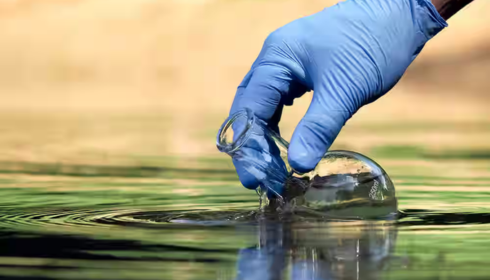
There’s something oddly comforting about turning on your faucet and hearing that familiar rush. It’s so routine, so dependable, that most of us never stop to ask: What’s actually in my water? If you’ve ever noticed chalky white spots on your dishes, that odd metallic tang in your glass, or dry skin after a shower—your water might be sending signals you’re not catching.
This isn’t alarmist talk. It’s reality for countless households across the country, especially in areas where municipal treatment just isn’t enough, or where private wells dominate. The truth is, you don’t need to be a scientist or a health nut to care. You just have to want cleaner, safer, more comfortable water in your home.
Ignoring Water Issues? You’re Not Alone
Let’s face it: most folks don’t think twice about their tap water—until something goes wrong. Maybe your clothes come out of the wash feeling stiff. Or you’ve replaced your coffee maker twice in a year because it keeps clogging up. Or worse, your kid complains that the water “tastes funny.”
The problem is, water quality issues often creep in slowly. They don’t wave red flags immediately. But over time, they affect your plumbing, appliances, skin, hair, and even your peace of mind. That’s why taking a proactive step like a free water test booking isn’t just smart—it’s kind of a no-brainer. It costs nothing, but tells you everything.
Knowledge is Power—And Cleaner Water
When you get your water tested, it’s not just about checking boxes. It’s about gathering real information that empowers you to make informed decisions. You’ll find out if there’s too much calcium or magnesium (hello, hard water), if there’s chlorine leftover from treatment, or even if your well is pulling in unwanted bacteria or iron.
These water quality diagnostics go beyond the surface. They’re often handled by professionals who understand the subtle signs and how they translate into daily disruptions. We’re talking cloudy water, sulfur smells, strange aftertastes, and those stubborn mineral stains around your fixtures. The test tells you the “what,” and your local water treatment expert can help with the “now what.”
Hard Water Isn’t Just a Buzzword—It’s a Real Problem
One of the most common culprits behind poor water quality is hard water. It might sound harmless, but trust me, it’s anything but gentle on your home. The minerals in hard water—mostly calcium and magnesium—build up inside pipes, coat your appliances, and leave your hair and skin feeling off.
This is where hard water solutions make a world of difference. Whether it’s a simple softener system or a whole-house upgrade, these systems reduce those harsh minerals before they can wreak havoc. You’ll use less soap, get cleaner dishes, and even extend the life of your plumbing. Who knew soft water could actually save you money in the long run?
Don’t Wait for a Crisis to Act
We all tend to be reactive when it comes to home maintenance. A leak gets attention. A broken water heater? Urgent. But water quality? That’s one we tend to shelve for “someday”—until it starts impacting our lifestyle.
The good news? It doesn’t take much to shift gears. Testing your water doesn’t require a huge investment of time or effort. Many companies offer testing right at your home. No pressure, no obligations, just a detailed look at what you’re really dealing with.
Even better, many of these services are free. Literally. That’s not a typo. You can schedule a test without pulling out your wallet—and walk away with a clear picture of your home’s water profile.
It’s Not Just About Drinking Water
One of the biggest misconceptions out there is that water testing is only for people who are worried about what they’re drinking. While drinking water is obviously important, water touches nearly everything in your home—your clothes, your hair, your food, your appliances.
That dry, tight feeling after a shower? Could be excess chlorine. That weird reddish tint in your toilet tank? Iron. That faint rotten egg smell in the bathroom sink? Likely sulfur. And yes, all of these things can be detected and addressed with a bit of curiosity and the right help.
Small Changes, Big Results
What most homeowners don’t realize is that fixing water quality doesn’t mean tearing your house apart. You don’t need a science lab or a water expert degree. Often, a compact under-sink filter or a small softener unit can handle the worst of it.
And if you want to go the extra mile, there are systems that pair filtration with UV purification, reverse osmosis, or even pH balancing—tailored to your home’s exact needs.
It’s not about overhauling your plumbing. It’s about fine-tuning it. So your water works for you, not against you.
The Bottom Line: Your Water Deserves Attention
There’s something pretty satisfying about knowing your home is running efficiently—and that includes your water. Clean water isn’t just about taste or clarity. It’s about confidence. Confidence that your family’s drinking, cooking, and bathing in water that won’t cause long-term damage or discomfort.
So why not take the first step? Book the test. Ask the questions. Get the facts. It’s free, it’s easy, and it’s honestly kind of empowering.