It’s funny how something as ordinary as water can quietly shape our daily lives. We wake up, shuffle into the kitchen, fill a kettle, maybe splash some on our faces — and rarely stop to think about it. Water just exists in the background. Reliable. Invisible. Taken for granted.
Until it doesn’t feel quite right.
Maybe it smells faintly metallic. Maybe your tea tastes slightly off. Or maybe you’ve read one too many headlines about contaminants and now you’re side-eyeing your kitchen tap. Whatever sparks the curiosity, more homeowners are starting to look closely at the quality of the water flowing through their homes. And it turns out, upgrading that water can have a ripple effect far beyond a single glass.
The Subtle Power of Better Taste
Let’s start with something simple: flavor.
Water shouldn’t taste like chlorine. It shouldn’t carry hints of rust or minerals that leave a dry aftertaste. And yet, depending on where you live, those subtle notes can sneak in. You might not consciously notice them at first — until you install a filtration system and suddenly realize what you’ve been missing.
The difference in improved taste is often the first thing people mention. Coffee feels smoother. Pasta cooks cleaner. Even ice cubes seem clearer, less cloudy. It’s not dramatic. It’s not life-changing in the cinematic sense. But it’s noticeable. And once you get used to it, there’s no going back.
I remember visiting a friend who’d recently installed a whole-home filtration system. “It’s just water,” I teased. Then I tried it. It wasn’t flashy, but it was crisp. Neutral in the best way. Like it belonged there.
Taste might sound like a luxury, but it has practical implications too. When water tastes better, people drink more of it. That alone can improve hydration habits for kids and adults alike.
Health Isn’t Just a Buzzword
Beyond flavor, there’s the more serious conversation — safety.
Municipal water systems in many countries meet strict regulations. That’s reassuring. But infrastructure ages. Pipes corrode. Local conditions vary. And private wells? That’s a whole other story. Testing helps, but filtration adds a layer of protection many families find comforting.
At its core, the goal is access to safe drinking water. That phrase sounds obvious, almost redundant, but it carries weight. Parents want reassurance. Businesses want accountability. Restaurants and cafés rely on consistent quality for both safety and flavor.
Filtration systems can reduce sediment, chlorine, certain heavy metals, and other unwanted elements. No system is magic, and no solution fits every scenario, but modern technology offers more customization than ever before. You can target specific concerns rather than installing a one-size-fits-all device and hoping for the best.
And let’s be honest — peace of mind has value. Sometimes knowing you’ve taken an extra step to protect your household is worth the investment alone.
Efficiency Matters More Than Ever
Here’s where things get interesting. As water technology evolves, so does its environmental footprint.
Older systems sometimes wasted significant amounts of water during filtration. That’s been a sticking point for environmentally conscious homeowners. But newer models are becoming increasingly energy efficient, designed to minimize waste while maintaining performance.
That balance — quality without excess consumption — is crucial. After all, what’s the point of purifying water if the process itself strains resources? Manufacturers have responded with smarter designs, improved membranes, and systems that recycle or reduce wastewater.
Energy use is part of the conversation too. Some filtration units run quietly in the background, consuming minimal electricity. Over time, that efficiency adds up. Lower utility bills. Smaller carbon footprint. Less guilt about running the system daily.
It’s encouraging to see sustainability woven into product development rather than treated as an afterthought.
The Hidden Impact on Appliances and Plumbing
Water quality doesn’t just affect what you drink. It affects what you own.
Hard water, loaded with minerals like calcium and magnesium, can leave scale buildup in pipes, water heaters, and appliances. That crusty white residue you see around faucets? That’s mineral accumulation. Over time, it can reduce efficiency and shorten the lifespan of equipment.
Filtration and softening systems can help protect those investments. Dishwashers run smoother. Washing machines last longer. Water heaters maintain efficiency instead of working overtime to push water through scaled pipes.
It’s one of those practical benefits people rarely think about until repair bills start stacking up.
Choosing What Fits Your Home
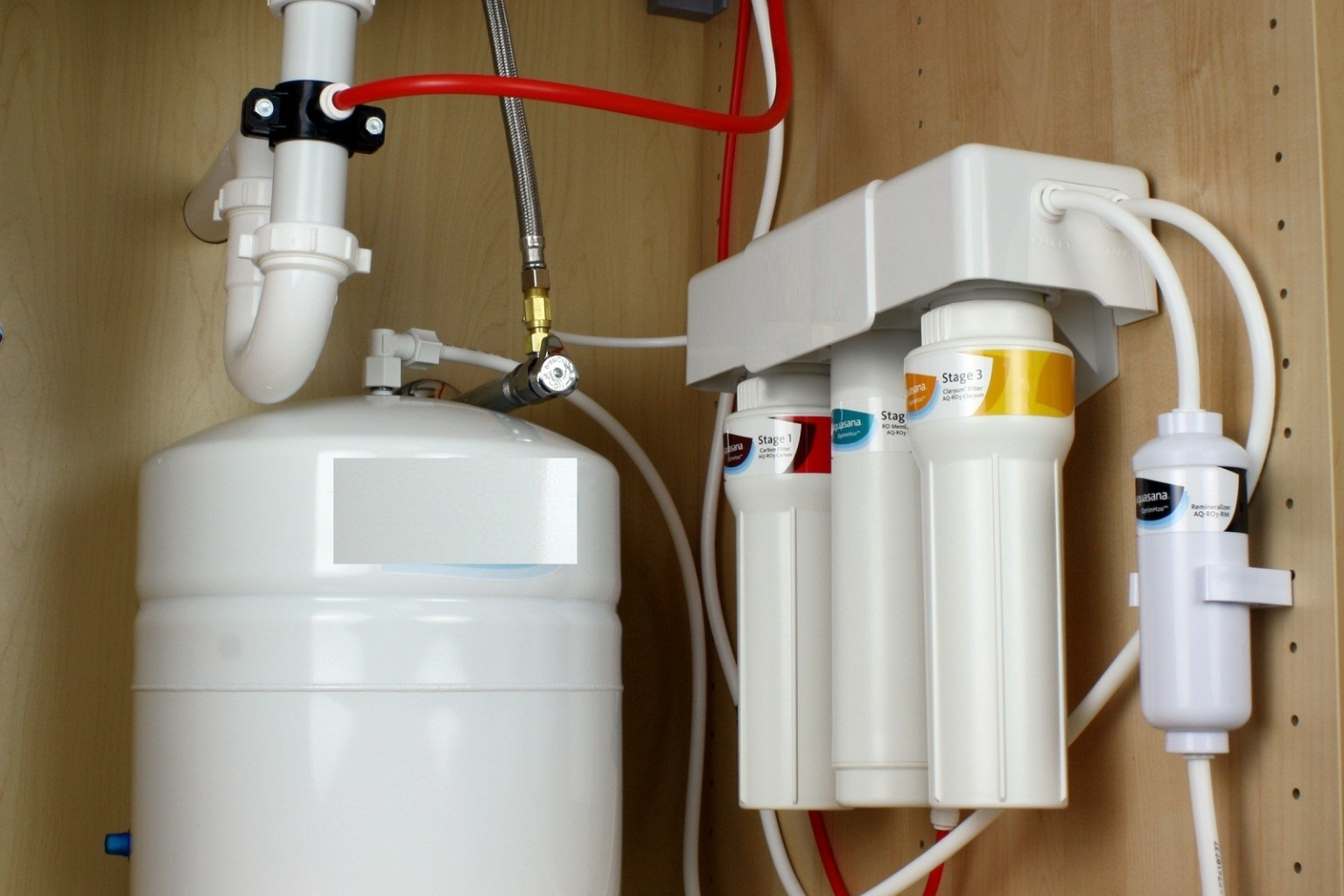
There’s no universal solution. Some homes benefit from simple under-sink filters. Others require whole-house systems. The right choice depends on local water conditions, household size, and specific concerns.
Testing is often the smartest first step. Guesswork leads to overspending or under-protection. A basic water analysis can reveal whether you’re dealing with high mineral content, chlorine levels, or more serious contaminants.
Installation and maintenance matter too. Filters need replacement. Systems require occasional servicing. Ignoring upkeep defeats the purpose. But with proper care, most setups run smoothly for years.
And honestly, the technology isn’t as intimidating as it sounds. Many modern systems are designed with user-friendly maintenance in mind. Clear indicators. Easy-swap cartridges. No complicated plumbing knowledge required.
A Small Change With Quiet Rewards
Upgrading water quality doesn’t come with fireworks. No one throws a party because their tap runs cleaner. But over time, the benefits accumulate.
You drink more water. Your appliances perform better. You feel a little more confident pouring a glass for your kids. It’s a subtle shift, but a meaningful one.
In a world full of flashy tech upgrades and constant digital noise, improving something as fundamental as water feels refreshingly grounded. It’s practical. Tangible. Almost old-fashioned in its simplicity.
We spend so much time chasing big improvements — new devices, faster internet, smarter homes. But sometimes, the most worthwhile upgrades are the quiet ones. The ones that sit beneath the surface, working steadily without demanding attention.
And maybe that’s the real takeaway. When the basics are strong — when your home supports your health and habits in small, reliable ways — everything else feels a little easier.
Just turn on the tap and see for yourself.