Let’s be honest—most people don’t think about what’s in their water beyond whether it’s clear, cold, and doesn’t smell like a swimming pool. But if you’re in charge of maintaining a commercial building, a processing plant, a municipal system, or even a large-scale HVAC setup, water becomes a whole different beast. It’s not just about taste or clarity anymore. It’s about scale, corrosion, safety, and performance.
And at the heart of all that? Chemistry.
Water treatment isn’t just about big tanks and flow charts. It’s about the precise combination of substances added to water to make sure it behaves the way you need it to. It’s maintenance. It’s protection. It’s risk management. So yeah—it’s a pretty big deal.
The Unseen Power of Water Treatment Chemicals
Behind every efficient system is a chemical cocktail doing its job in silence. Water treatment chemicals are what keep cooling towers from rusting out, boilers from scaling up, and drinking water from becoming a bacterial Petri dish.
These chemicals cover a wide range—disinfectants, coagulants, corrosion inhibitors, algaecides, scale removers, and more. They’re carefully dosed depending on water source, usage patterns, and end goals. Too little? You risk contamination or inefficiency. Too much? You might damage the system or violate safety standards.
It’s not a set-it-and-forget-it situation either. Water chemistry changes with seasons, usage, and supply shifts. Monitoring and adjustment are part of the game. But get it right, and the payoff is big: longer equipment life, cleaner water, and fewer emergency fixes.
Phosphates, But Make It Smart: The Role of Blended Formulas
Let’s zoom in on a specific category—blended phosphates. These guys are a smart solution for complex water systems. Think of them as multi-taskers. Depending on the formulation, they can control corrosion, bind with metals like iron and manganese, and help stabilize chlorine in treated water.
Blended phosphates are especially helpful in municipal water systems and food processing plants. Instead of treating water with multiple separate additives, a blended solution can streamline dosing, simplify storage, and reduce the chance of chemical interactions going sideways.
But here’s the catch: the effectiveness of these blends depends heavily on your water profile. It’s not just about throwing in a mix and hoping for the best. It takes careful lab testing, on-site monitoring, and adjustment based on real-time data.
A well-formulated phosphate blend can literally be the difference between customer complaints about rusty water and a smooth, compliant operation.
When Water Doesn’t Behave: The Case for Full-System Treatment
Even with the right chemicals, water is unpredictable. You might have one facility pulling from a municipal source that’s been chlorinated upstream, while another pulls from a well full of natural iron. And every use case—cooling, heating, cleaning, drinking—demands a different approach.
That’s where comprehensive water treatment programs come into play. These aren’t just about the chemical mix. They include system inspections, flow analysis, temperature tracking, and corrosion testing. It’s like going from DIY plumbing to having a full-time water engineer on call.
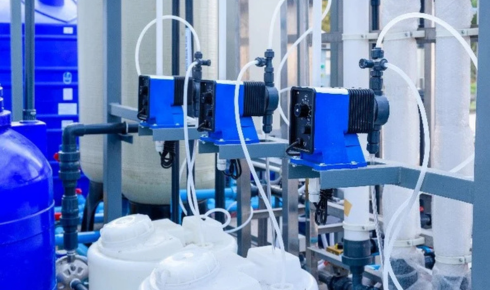
What’s more, with digital monitoring systems becoming more affordable and accessible, it’s now possible to track system performance in real time—adjusting dosages or scheduling service before small issues turn into big headaches.
Water treatment isn’t about solving one problem. It’s about balancing several competing needs. Efficiency. Safety. Regulation. Cost. Longevity. Every part matters.
It’s Not Just Science—It’s Strategy
Look, chemical formulas are important, but good water treatment isn’t just chemistry—it’s strategy. It’s about understanding how water interacts with the materials in your system. How heat affects scale buildup. How flow rates impact chemical effectiveness. How seasonal changes affect incoming supply.
There’s no universal “fix.” What works great for a glass plant in Phoenix might be a disaster in a seafood processing facility in Boston. And that’s the point. Water systems have to be customized, and the treatment plan should evolve with your infrastructure and goals.
Want fewer shutdowns? Better energy efficiency? Fewer customer complaints? It starts with understanding your water—chemically, mechanically, and operationally.
A Quick Word About Responsibility
One more thing. Using water treatment chemicals responsibly matters. We’re talking about substances that, if misused, can cause environmental harm or health risks. That means training, storage, spill containment, and compliance with local, state, and federal regulations.
It’s not just the chemical itself—it’s how you handle it.
Working with a reputable supplier or treatment provider can help here. They’ll offer not just the product, but also the guidance you need to use it safely and effectively. Look for providers that offer technical support, documentation, and safety training as part of their service—not as an add-on.
The Bottom Line: Water’s More Than Wet
At the end of the day, water might look simple, but it’s anything but. Behind every clean drop is a carefully engineered balance of chemistry, design, and monitoring. It’s why some systems hum along for decades, while others need constant fixing.
Whether you’re evaluating water treatment chemicals, adjusting blended phosphates, or overhauling your entire water treatment strategy—take the time to understand the why, not just the what.