Water has a way of blending into the background of daily life. We twist the tap, fill a kettle, rinse fruit, step into the shower — all without thinking much about what’s happening inside those pipes. It’s only when something changes — a strange taste, cloudy glassware, or a faint odor — that we pause and start asking questions.
And once you start asking questions about your water, it’s hard to stop.
The market is full of solutions. Pitcher filters, under-sink units, whole-home systems, UV chambers, softeners. Each promises improvement. But the real magic doesn’t come from buying the most expensive device on the shelf. It comes from designing a system that actually matches your water.
That sounds obvious, but it’s often overlooked.
Start With the Water, Not the Product
Before you get pulled into product comparisons and feature lists, take a step back. What’s actually in your water?
Municipal water and private wells face different challenges. Even neighboring homes can have different mineral levels or plumbing conditions. That’s why a test-first design approach makes so much sense.
Instead of starting with equipment and hoping it works, you begin with data. A proper water analysis reveals hardness, chlorine levels, iron presence, pH balance, and sometimes microbial activity. Once you know what you’re dealing with, the path forward becomes clearer.
Without testing, you’re guessing. And guessing can lead to overspending — or worse, solving the wrong problem entirely.
I’ve seen homeowners install complex systems to address taste issues, only to discover later that their main concern was mineral buildup affecting appliances. Testing would have simplified everything.
Filtration Isn’t One-Size-Fits-All
When most people think of improving water quality, they think of water filters. It’s a broad category — and for good reason.
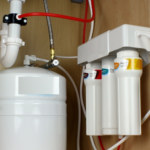
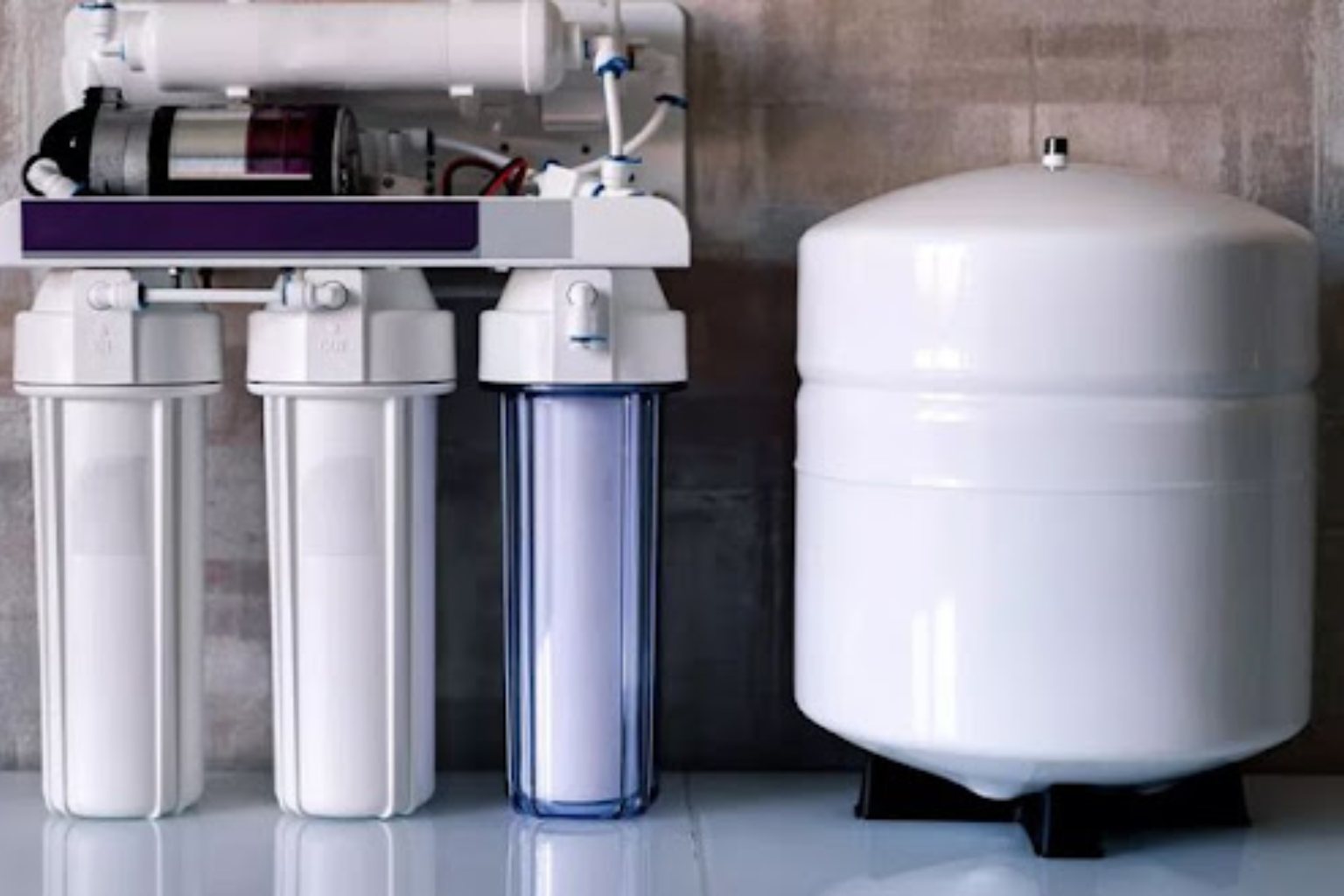
Carbon filters are often used to reduce chlorine and improve taste. Sediment filters catch particles that cause cloudiness. Reverse osmosis membranes tackle dissolved solids and certain contaminants at a microscopic level.
Each type serves a purpose. None of them do everything.
That’s where layering comes in. In some homes, a simple carbon filter under the sink is enough. In others, a combination of sediment filtration and reverse osmosis makes sense. The right setup depends entirely on what the test reveals.
And while it’s tempting to choose the “most advanced” option available, complexity doesn’t always equal necessity. The smartest systems are precise, not excessive.
Addressing Microbial Concerns
In homes with private wells — or in areas where microbial contamination is a concern — ultraviolet treatment becomes part of the conversation.
You may hear about microbial systems uv, which use ultraviolet light to neutralize bacteria, viruses, and other microorganisms as water flows through a chamber. It’s a chemical-free approach that works quietly in the background.
UV systems don’t remove particles or minerals. Instead, they target living organisms. That distinction matters. They’re often installed as part of a broader treatment strategy, not as a standalone fix.
For well owners especially, periodic testing ensures that microbial levels remain under control. A UV unit can add reassurance, but it should be paired with proper filtration to ensure clarity and effectiveness.
Installation and Maintenance Matter More Than You Think
Even the best-designed system won’t perform well if it’s poorly installed. Water pressure, flow rate, and proper placement all influence performance. Professional installation often prevents small mistakes that can lead to leaks or inefficiency down the line.
And then there’s maintenance.
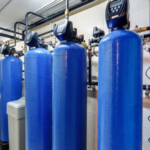
Filters clog. UV bulbs weaken. Resin beds in softeners require regeneration. Ignoring upkeep can quietly undermine the entire system. That’s why ongoing service — or at least a clear maintenance plan — is essential.
The goal isn’t to create a high-maintenance setup. It’s to keep the system working the way it was designed to.
The Emotional Side of Water Quality
Water isn’t just about numbers on a test report. It’s about comfort.
It’s about pouring a glass without hesitation. It’s about noticing that your shower feels better, your dishes dry clearer, your coffee tastes cleaner. These changes are subtle, but they accumulate.
There’s something grounding about improving something so fundamental. We often chase visible upgrades — new countertops, fresh paint, smart home devices — while ignoring the infrastructure beneath it all.
Water is infrastructure. And when it’s working well, life feels smoother.
Building a System That Fits Your Life
The best water systems don’t shout. They hum quietly in the background, doing exactly what they’re supposed to do.
They start with testing. They match technology to real conditions. They’re installed carefully. They’re maintained consistently.
It’s not glamorous. But it’s effective.
If you’re considering improving your water, resist the urge to jump straight to the most advanced product page you find. Start with information. Ask questions. Understand your water.
From there, design a solution that makes sense.
Because when your system is built around your actual needs — not marketing promises — you stop thinking about your water.
And that’s how you know you got it right.