There’s something oddly satisfying about filling up a glass of water straight from your kitchen tap, taking a sip, and knowing it’s crisp, clean, and safe. It’s one of those everyday comforts most of us take for granted—until, of course, that trust is broken. Maybe you start noticing odd tastes or smells. Maybe your kettle is suddenly clogged with white, crusty deposits. That’s when the rabbit hole begins, and you’re googling terms like “reverse osmosis” at 2 a.m.
I’ve been there, and let me tell you—once you dive into the world of home water filtration, you realize it’s a lot deeper than it seems.
The Water You Think You’re Drinking
Most people assume municipal water is already safe. And in many ways, it is. But “safe” doesn’t always mean ideal. Water often travels miles through aging pipes before it reaches your home, collecting sediments, chlorine, and even trace pharmaceuticals along the way. Throw in hard water—loaded with calcium and magnesium—and you’ve got a cocktail that might be clean-ish but certainly not kind to your appliances, plumbing, or your tastebuds.
This is where modern filtration comes in—not just to meet safety standards but to exceed them. And honestly, your water deserves that.
The Magic Beneath Your Sink
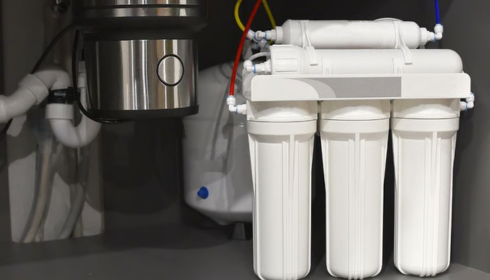
Enter the under-sink RO system—the unsung hero of kitchen upgrades. These compact setups tuck neatly out of sight, silently doing the heavy lifting to turn your tap into a reliable source of purified water. Reverse osmosis, the technology behind it, works by forcing water through a semi-permeable membrane, removing up to 99% of contaminants like lead, fluoride, nitrates, and more.
It’s like giving your water a spa treatment, but for just pennies per gallon.
The convenience factor alone makes these systems a game-changer. You get clean, mineral-balanced water on demand without having to store plastic bottles or haul heavy jugs. Better for your health, better for the planet.
Say Goodbye to Scale and Hello to Efficiency
Now, if you’ve ever dealt with crusty faucets or a sluggish dishwasher, you’re already familiar with limescale. That white residue is the nemesis of any appliance that uses water. It reduces efficiency, increases energy use, and shortens lifespan. Not cool.
That’s why scale prevention is such a big deal in the filtration world. A good under-sink system doesn’t just purify drinking water—it also protects your household. Some RO systems even come with integrated solutions or compatible pre-filters specifically designed to reduce scale buildup, safeguarding everything from your coffee machine to your water heater.
And trust me, that peace of mind is worth every penny.
The Unsung Champion: Maytag 550 Drinking Water System
If you’re exploring options, let’s talk about a name that doesn’t always come up in influencer YouTube videos but should: the Maytag 550 Drinking Water System. This unit quietly punches above its weight.
Built with the kind of industrial-grade durability you’d expect from Maytag, it offers multi-stage filtration with exceptional contaminant removal. It’s especially effective in households with water that’s visibly cloudy, metallic-tasting, or prone to scale buildup. Plus, it’s designed for longevity—fewer filter changes, less hassle.
Unlike some of the overly complex systems on the market, the Maytag 550 keeps things simple and efficient. You don’t need a plumber’s license to install it, and it won’t gobble up all your under-sink real estate.
It’s the kind of “set it and forget it” reliability that busy homes desperately need.
Real-Life Convenience in the Real World
Here’s the thing: most of us aren’t water experts. We just want to feel confident that the stuff coming out of our faucet isn’t doing slow, silent damage to our bodies or homes. That’s what makes investing in a proper filtration system so empowering. It’s one of those rare upgrades that delivers daily value you can actually taste.
And when guests come over and ask, “Why does your water taste so good?”—well, that’s your little secret.
Quick Tips for Choosing the Right System
- Know Your Water: Start with a home water test. It’ll tell you exactly what you’re dealing with—hardness, chlorine, lead, etc.
- Think Long-Term: Cheaper systems often require frequent filter changes. A higher upfront cost may save you in the long run.
- Check Certifications: Look for NSF or WQA certifications. These ensure the system actually does what it claims.
- Prioritize Scale Reduction: Even if your primary concern is drinking water, scale can wreak havoc on your whole kitchen setup.
The Final Pour
Clean water is more than a luxury—it’s a foundation for good health, better meals, longer-lasting appliances, and a quieter mind. Whether you’re building a new kitchen or simply tired of that weird chlorine tang, the right under-sink system can make a world of difference.
And no, you don’t need to become a plumbing guru or drop thousands to get there.
Just start with awareness, a little research, and a quality system like the Maytag 550. It’s small, powerful, and easy to forget—until you realize you’ve gone months without buying bottled water or scrubbing scale from your kettle.