Water is one of those things we tend to take for granted — until something goes wrong. You turn on the tap, and maybe there’s a strange smell. Or your coffee tastes a little…off. Maybe your sink starts staining in a way it never used to. Suddenly, water isn’t just water anymore. It’s a mystery you need to solve.
For folks living with private wells, this story is all too familiar. Without a city water system doing the heavy lifting, you’re the one in charge of making sure your water is safe. And that starts with a little curiosity, a bit of awareness, and yes, a touch of science.
Let’s break down what’s really going on inside your well water — and how you can take back control without losing your mind (or your savings).
You Can’t Fix What You Don’t Know
Most well owners go years — sometimes decades — without testing their water. “It tastes fine,” they’ll say. “Looks clear.” But the truth? That’s not nearly enough.
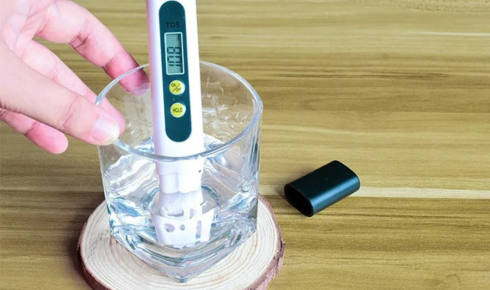
Things like arsenic, nitrates, and bacteria are often invisible. You can’t taste them. You can’t smell them. But they’re there, silently affecting your health and home. That’s why starting with basic water testing is so important. You don’t need a full-blown lab setup either. Local extension offices, water treatment professionals, or even online kits can give you a reliable picture of what’s in your water.
From there, you’ll know exactly what you’re dealing with — and what kind of treatment system makes sense for your needs. Otherwise, you’re just throwing filters at a wall and hoping something sticks.
That Rotten Egg Smell? Yeah, That’s Sulfur.
Few things are as instantly off-putting as water that smells like spoiled eggs. You turn on the shower, and suddenly your whole bathroom reeks. It’s not dangerous at low levels, but it is obnoxious — and it can stain your plumbing or corrode metal fixtures over time.
That stench? It’s hydrogen sulfide gas, also known as H2S sulfur odor. It forms naturally in groundwater when sulfur-reducing bacteria get to work. While it won’t kill you, it will test your patience. And if you’ve got copper pipes or other metal fittings, the corrosion can eventually cost you real money.
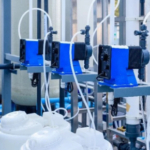
Fortunately, there are solutions. Aeration systems, activated carbon filters, or chemical oxidizers like chlorine or hydrogen peroxide can neutralize that smell before it ever reaches your faucet. But again, you can’t treat what you haven’t tested.
The Hidden Danger of Arsenic
Now let’s talk about something a little more serious — arsenic. Yes, the poison. It occurs naturally in some groundwater sources, particularly in parts of the U.S. like New England, the Midwest, and the Southwest. Long-term exposure through drinking water can lead to a whole host of health issues, from skin problems to internal cancers.
Here’s the kicker: arsenic doesn’t affect the taste or color of water at all. You could be drinking it every day and never know unless you test for it.
If it turns up, don’t panic — but do act. Systems designed for arsenic reduction include reverse osmosis units, specialized adsorption filters, or ion exchange setups. These aren’t your off-the-shelf pitcher filters; they’re engineered to handle trace levels of toxic metals with real precision.
The cost might feel steep upfront, but when you’re talking about your long-term health? It’s worth every cent.
It’s Not Just What’s in the Water — It’s What It Touches
Beyond the health side of things, untreated well water can wreak havoc on your home. Minerals like iron and manganese can clog pipes and stain everything they touch. Hard water leaves behind scale that shortens appliance lifespans. And bacteria? They can form slimy biofilms inside plumbing that are a nightmare to clean.
This is why treating well water isn’t just about safety — it’s about quality of life. Cleaner dishes. Softer laundry. Faucets that don’t turn orange. And showers that smell, well, like water.
If you’ve ever dealt with any of those headaches, you already know the value of a proper treatment system. It turns your water from a daily nuisance into a quiet, reliable ally.
Start Small, Think Big
Overhauling your well water system might sound like a massive project — but it doesn’t have to be. Start with testing. Identify your top problem (maybe it’s just that awful smell, or maybe arsenic is lurking in the background). Then tackle it with the right filter or solution.
You don’t need to drop thousands of dollars overnight. Some of the most effective improvements start with small, targeted upgrades. And once you get the hang of it, water maintenance becomes just another part of caring for your home — like cleaning gutters or replacing filters in your HVAC.
Final Thoughts: Water Deserves More Credit
Water might not be flashy. It doesn’t hum like a fridge or glow like a flat-screen. But it’s the one thing your home — and your body — uses constantly. It makes your morning coffee, your evening pasta, your kid’s bath, and everything in between.
So why not give it the attention it deserves?
If you’re on well water, take the time to understand what’s coming out of that tap. A little curiosity and action today can save you years of frustration — and maybe even protect your health.
Test. Treat. Trust your water again.