There’s a quiet shift happening in kitchens lately. It’s not flashy like a new refrigerator or as obvious as quartz countertops. It’s subtler. A slim secondary faucet near the sink. A smoother flow of filtered water. No more waiting around for a slow trickle to fill your glass.
If you’ve ever stood there tapping your fingers while your old filtration system struggled to keep up, you know what I mean. Performance matters. Not just purity—but speed, reliability, and ease of use.
And that’s where newer drinking water systems are stepping in, quietly raising the bar.
The Problem With Slow Filtration
Traditional under-sink filters, especially older reverse osmosis systems, often rely on storage tanks. They filter water slowly and then store it under pressure. Once the tank empties, you wait.
It’s not dramatic, but it’s inconvenient. Especially in busy households where multiple people are filling bottles, cooking, and running coffee machines at the same time.
That’s why innovations like quickflo technology have gained attention. Systems using this approach are designed to deliver stronger, faster flow rates while maintaining filtration efficiency.
The result? You don’t feel like you’re rationing water from your own tap.
Speed Without Sacrificing Quality
Faster flow doesn’t mean cutting corners. Modern filtration units are engineered to balance pressure, membrane efficiency, and output.
Some advanced systems are built for high daily production, meaning they can filter significantly more gallons per day than older models. This matters if you have a large family, entertain often, or simply drink a lot of water.
Instead of a small tank refilling slowly, these systems are optimized for steady output throughout the day.
You don’t have to think about it. You just turn the handle.
Design Matters More Than You Think
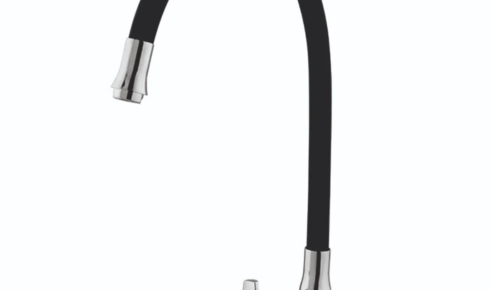
Let’s talk about the faucet itself. It’s easy to overlook, but it’s the only visible part of your filtration system.
A well-designed lead-free faucet isn’t just about aesthetics—though that certainly helps. It ensures that water remains free from contamination at the final delivery point.
That’s important. After all the filtration work happening under the sink, the last thing you want is compromised materials at the tap.
Modern faucets also tend to be more ergonomic and minimal, blending seamlessly with contemporary kitchen designs.
It’s a small detail that carries a lot of weight.
Why Production Capacity Is Important
One of the most common mistakes homeowners make is underestimating their water usage.
A single person might use 1–2 gallons per day for drinking and cooking. A family of five? Much more. Add in guests, reusable bottle refills, and meal prep, and daily demand increases quickly.
Systems designed for high output prevent bottlenecks. You don’t experience pressure drops or slow refill cycles.
This is particularly helpful in homes where hydration habits have improved—where reusable bottles are the norm instead of occasional purchases.
The Taste Factor
Let’s not forget the obvious: taste.
Improved flow and production are great, but if the water doesn’t taste good, none of it matters.
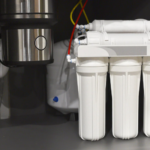
Modern multi-stage systems typically include sediment filters, carbon blocks, and in some cases reverse osmosis membranes. Each stage plays a role in improving flavor, clarity, and odor.
When properly maintained, these systems produce water that feels clean and neutral—without the chlorine or metallic notes some municipal supplies carry.
It’s one of those upgrades that quietly improves daily life.
Maintenance: Still Necessary
No matter how advanced the technology, filters still need replacing.
Faster-flow systems may require regular monitoring to ensure optimal performance. Carbon filters, membranes, and prefilters have recommended lifespans.
The difference today is that many units include indicators or straightforward cartridge swaps.
Maintenance doesn’t need to feel intimidating. It just needs to be consistent.
Environmental Considerations
High-production systems can reduce dependence on bottled water. When your tap delivers filtered water quickly and reliably, there’s less temptation to grab plastic bottles out of convenience.
That shift isn’t dramatic overnight, but over months and years, it reduces waste significantly.
Small daily choices compound.
Choosing the Right Setup
Before investing in any system, start with testing.
Understand your water’s hardness, total dissolved solids, and chlorine levels. Know whether you’re on municipal supply or private well.
Then match system capacity to your household’s daily demand.
Avoid overbuying features you don’t need. But don’t undersize a system that will struggle to keep up.
Balance is everything.
The Quiet Upgrade
The best home improvements are often the ones you stop noticing.
A faster, well-designed drinking water system doesn’t draw attention to itself. It simply delivers.
You fill your glass. You refill your bottle. You cook without thinking twice.
No waiting. No hesitation.
Final Thoughts
Drinking water systems have evolved. It’s no longer just about filtration—it’s about performance, production capacity, and thoughtful design.
Technologies that improve flow and daily output make a real difference in busy households. Lead-free materials ensure safety at the final point of delivery. And modern engineering reduces the frustration of slow refill cycles.
If you’re considering an upgrade, focus on what truly impacts your routine: speed, reliability, and taste.
Because when your filtered water flows as effortlessly as your tap water once did—but tastes infinitely better—you’ll wonder why you waited so long to make the change.
And that’s when you know the system is doing exactly what it should.