There’s a certain comfort in turning on the tap and not thinking twice about what comes out. You fill a glass, rinse vegetables, start the dishwasher, and move on with your day. Water feels simple — almost invisible in how seamlessly it supports everything else.
But if you’ve ever noticed staining in the sink, a metallic taste, or that faint sulfur smell after a heavy rain, you know water isn’t always as straightforward as it seems.
For many homeowners, especially those outside city limits, improving water isn’t about luxury. It’s about peace of mind.
Why Water Quality Isn’t Static
Water changes. That’s something people don’t always realize.
Seasonal shifts, nearby construction, agricultural runoff, or aging plumbing can all influence what flows into your home. Even municipal systems, which are regulated and monitored, can vary slightly depending on weather patterns or maintenance cycles.
If you rely on a private well, those changes can be even more personal. The water beneath your property is shaped by local geology and environmental conditions. And because there’s no city agency testing it for you, the responsibility lands squarely on your shoulders.
That’s where intentional water quality improvement begins — with awareness.
Start with Testing, Not Guessing
Before investing in any system, the first step is simple: test your water.
A professional water analysis reveals hardness levels, pH balance, iron content, bacteria presence, and other potential contaminants. It replaces assumptions with data.
You might discover your water is perfectly fine with only minor mineral content. Or you might find elevated iron, sulfur, or nitrates that require attention.
Either way, testing gives you direction.
Without it, you’re solving problems that may not exist — or worse, overlooking ones that do.
Living with a Private Well
Owning a well offers independence. No monthly water bill. No reliance on municipal supply interruptions. But independence comes with responsibility.
Effective private well treatment isn’t about installing the most expensive system available. It’s about tailoring treatment to your water’s unique composition.
If iron causes staining, an oxidation filter might solve it. If bacteria are detected, UV purification could be necessary. If hardness is high, a water softener can reduce scale buildup in plumbing and appliances.
Every solution should match a specific need.
And because groundwater conditions can shift over time, annual testing keeps you informed.
The Everyday Impact of Better Water
When water improves, the changes often show up in small, satisfying ways.
Soap lathers more easily. Towels feel softer. Glassware dries without cloudy spots. Coffee tastes brighter.
These filtration benefits might seem minor at first glance, but they add up quickly. Less scrubbing around faucets. Fewer appliance repairs. More consistent taste and clarity.
Water touches nearly every daily routine. Enhancing it improves more than just drinking habits.
Hardness: The Silent Wear and Tear
Hard water deserves special attention because it doesn’t always feel urgent. You might tolerate mineral buildup for years before realizing it’s shortening the lifespan of your appliances.
Scale accumulates inside water heaters, reducing efficiency. Dishwasher components wear down faster. Showerheads clog.
A properly installed softener prevents those issues from compounding over time. It’s preventative care rather than reactive repair.
And it often pays for itself in extended appliance longevity.
Addressing Safety Concerns
In some regions, groundwater can contain contaminants like arsenic or nitrates. These aren’t visible or detectable by taste. They require testing.
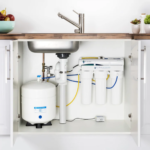
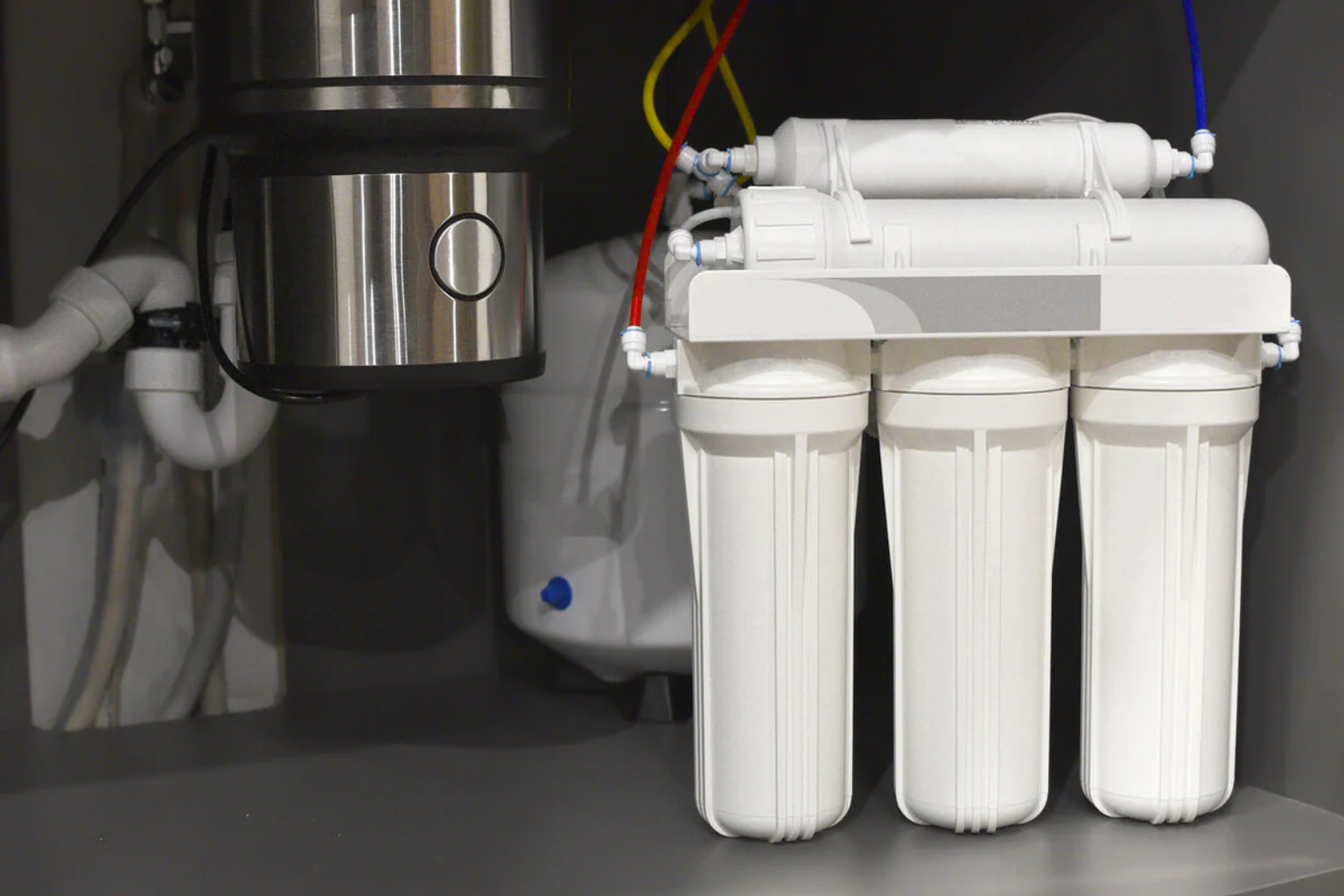
If identified, targeted treatment systems — such as reverse osmosis for drinking water — can reduce concentrations significantly.
Safety doesn’t require overreaction. It requires informed decisions.
Knowing what’s in your water changes the conversation from worry to action.
Maintenance: The Often Overlooked Piece
No treatment system runs indefinitely without upkeep. Filters need replacing. Softeners require salt refills. UV bulbs must be changed annually.
Ignoring maintenance reduces system performance and can allow contaminants to bypass filtration.
The good news? Modern systems are designed for manageable care. Most maintenance tasks are predictable and straightforward.
Treat it like servicing your HVAC system or changing smoke detector batteries. Routine, but essential.
A Thoughtful Approach to Something Essential
Water flows through your home constantly. It fills glasses, heats showers, cooks meals, washes clothes. It deserves more attention than it usually gets.
Improving water quality isn’t about chasing perfection. It’s about aligning your home with your standards.
If you’ve noticed taste changes, staining, or simply haven’t tested your well in years, start there. Gather information. Evaluate your options. Choose solutions designed for your specific situation.
Because once your water feels clean, balanced, and reliable, you’ll likely stop thinking about it altogether.
And that quiet confidence — knowing what flows from your tap is working in your favor — might be one of the most practical upgrades you ever make.