There’s something quietly discouraging about pulling a cake out of the oven only to find it raw in the center and overdone on the edges. You followed the recipe. You preheated. You set the timer. And still—something went wrong.
When an oven starts acting unpredictably, it shakes your confidence in the kitchen. Cooking becomes guesswork. Baking turns into a gamble. And suddenly, a simple weeknight dinner feels more complicated than it should.
The truth is, ovens rarely “just stop working.” More often, they drift. Temperatures fluctuate. Heating elements weaken. Sensors misread. And those small shifts create bigger problems than we expect.
When Heat Doesn’t Match the Dial
One of the most common complaints homeowners face is temperature inconsistency. You set the oven to 350°F, but your food cooks as if it’s at 400—or 300.
The first instinct is to blame the recipe. Maybe it needed more time. Maybe the pan was wrong. But if the issue repeats itself across multiple meals, it’s likely mechanical.
In electric ovens, a weakened bake element may still glow red but fail to distribute heat evenly. Gas ovens can struggle with a failing igniter that doesn’t maintain a steady flame. Temperature sensors, which monitor internal heat levels, can drift out of calibration over time.
An inexpensive oven thermometer can be surprisingly helpful here. Place it inside during preheating and compare the reading to your set temperature. If there’s a significant gap, you’ve confirmed the issue.
Sometimes, recalibrating the oven through the control panel solves it. Other times, it signals a deeper problem that needs attention.
The Frustration of Uneven Baking
Let’s talk about baking issues, because they tend to show up first in delicate recipes. Cookies browning on one side but pale on the other. Bread that rises beautifully, then collapses. Lasagna bubbling aggressively in one corner while staying lukewarm elsewhere.
Uneven baking often ties back to airflow or heating element performance. Convection ovens rely on fans to circulate hot air. If that fan isn’t operating properly, heat can pool unevenly.
Even rack placement matters more than we think. Placing pans too close to the top or bottom element can exaggerate hot spots. Rotating trays halfway through baking is a small habit that prevents many frustrations.
It’s easy to blame yourself in moments like this—especially when baking feels personal. But ovens are machines. And machines wear down.
Signs an Element May Be Failing
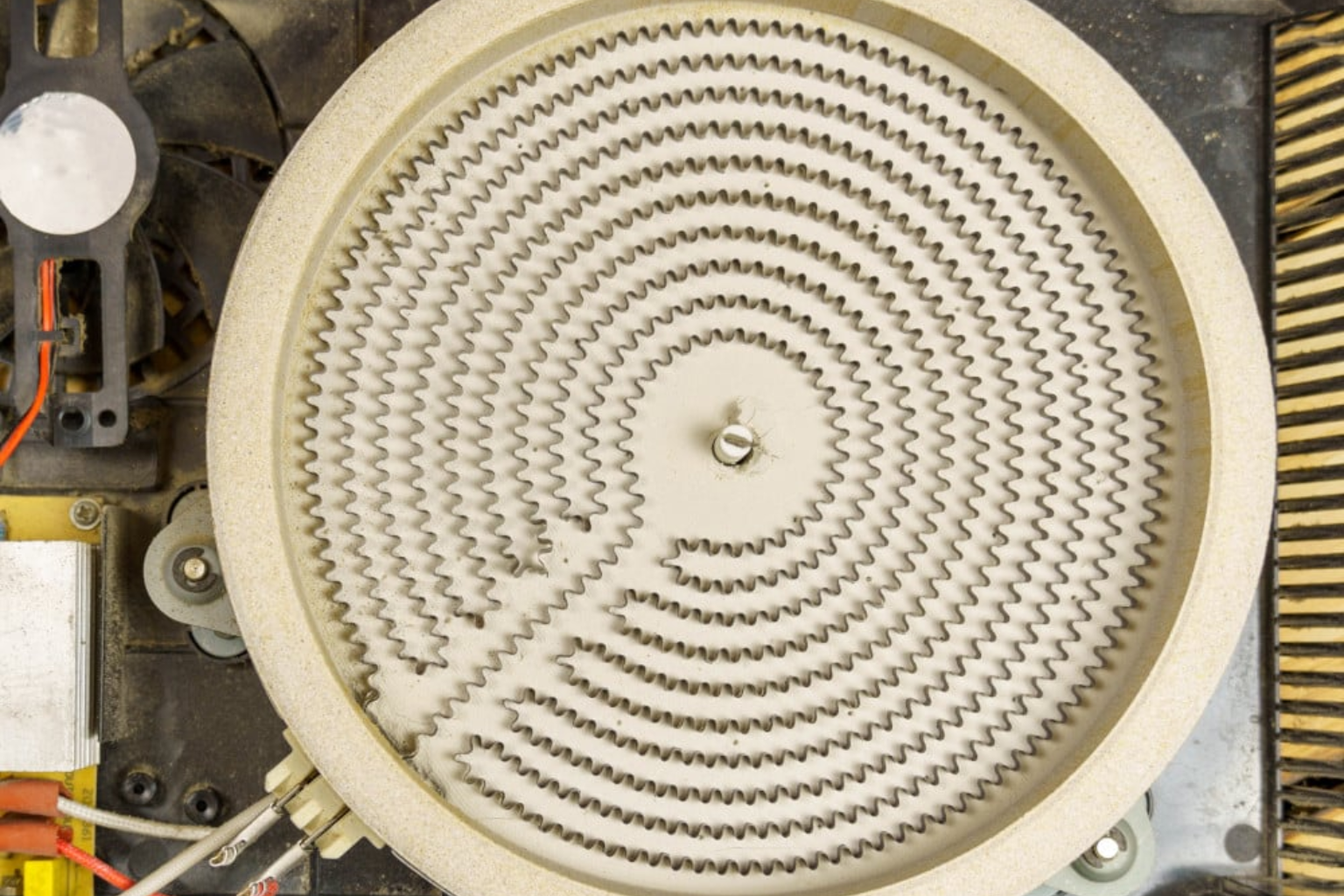
In electric ovens, the bake and broil elements handle most of the heating work. When one starts to fail, the symptoms can be subtle at first. Longer preheat times. Slightly undercooked centers. A faint popping sound during heating.
Eventually, visible damage may appear. Blisters, cracks, or dark spots along the element often indicate it’s nearing the end of its life.
At that point, element replacement becomes a practical solution. For many models, swapping out a heating element isn’t overly complicated. It usually involves removing a few screws, disconnecting wires carefully, and installing the new component.
Of course, safety comes first. Always turn off the power at the breaker before attempting any internal repairs. Electricity doesn’t offer second chances.
Gas ovens don’t have visible heating elements in the same way, but they rely on igniters that can weaken over time. A slow preheat or intermittent heating often points to that component.
When It’s More Than Just the Element
Not every heat issue traces back to a single part.
Temperature sensors can malfunction, sending incorrect readings to the control board. Control boards themselves can fail, especially in older units. Wiring connections may loosen after years of heating and cooling cycles.
If your oven shuts off unexpectedly or struggles to maintain heat even after replacing visible components, it might be time to bring in a professional.
There’s a balance between DIY confidence and knowing when to step back. Some repairs are satisfying and straightforward. Others require diagnostic tools and experience.
Simple Habits That Protect Your Oven
While mechanical wear is inevitable, a few maintenance habits can extend your oven’s life.
Avoid slamming the door. That sudden force can damage hinges and affect how tightly the door seals. A compromised seal allows heat to escape, contributing to uneven cooking.
Clean spills promptly. Burned-on residue not only produces smoke but can interfere with heating performance.
And don’t ignore small changes. If preheating suddenly takes longer, investigate early. Addressing minor issues prevents bigger ones.
Repair or Replace? A Practical Perspective
Most ovens last between 12 and 15 years. If yours is approaching that range and facing a costly repair—like a control board replacement—it may be worth considering an upgrade.
However, smaller repairs, like replacing a sensor or heating element, are typically affordable and worthwhile.
Ask yourself how the appliance has performed overall. Has it been reliable? Quiet? Efficient? Or has it required multiple fixes recently?
Sometimes replacing an aging oven makes sense financially and functionally. Other times, a simple repair restores it for several more years of dependable service.
A Final Thought From the Kitchen Counter
An oven that works properly fades into the background. It preheats quietly. It cooks evenly. It delivers consistent results without drama.
When it falters, though, it can shake your confidence in even the simplest recipe.
If you’re dealing with inconsistent heat or frustrating baking results, start with observation. Check the basics. Use a thermometer. Inspect visible components. Decide whether it’s a manageable fix or time to call in a technician.
Cooking should feel creative and satisfying—not stressful.
With a little attention and timely repairs, your oven can return to doing what it does best: turning simple ingredients into something warm, comforting, and worth gathering around.