There’s a split second after an accident when everything goes quiet.
A container tips. A hose ruptures. A forklift clips something it shouldn’t have. For a brief moment, no one quite knows how serious it is. Then the smell hits. Or the vapor cloud starts forming. Or liquid begins spreading across the floor.
That’s when preparation—or the lack of it—becomes obvious.
Hazardous material incidents don’t wait for convenient timing. They happen during busy shifts, overnight maintenance, even in calm, well-managed facilities. What separates manageable situations from costly disasters is how quickly and professionally they’re handled.
The First Priority: Containment
When chemicals spill, the instinct might be to grab whatever absorbent material is nearby and start wiping. But unstructured action can actually make things worse.
Effective chemical containment focuses first on preventing spread. Barriers, absorbent booms, and drain covers are deployed strategically to stop liquids from migrating into waterways or ventilation systems. Air monitoring may begin immediately to assess vapor risk.
Containment is about control. It buys time.
Without it, even a relatively small release can travel through floor drains or porous surfaces, expanding the problem exponentially.
That first step—isolating the area—often determines whether the incident remains local or becomes a larger environmental concern.
Coordinated Action in High-Stress Moments
No one performs at their best during panic. That’s why structured emergency hazardous response systems exist.
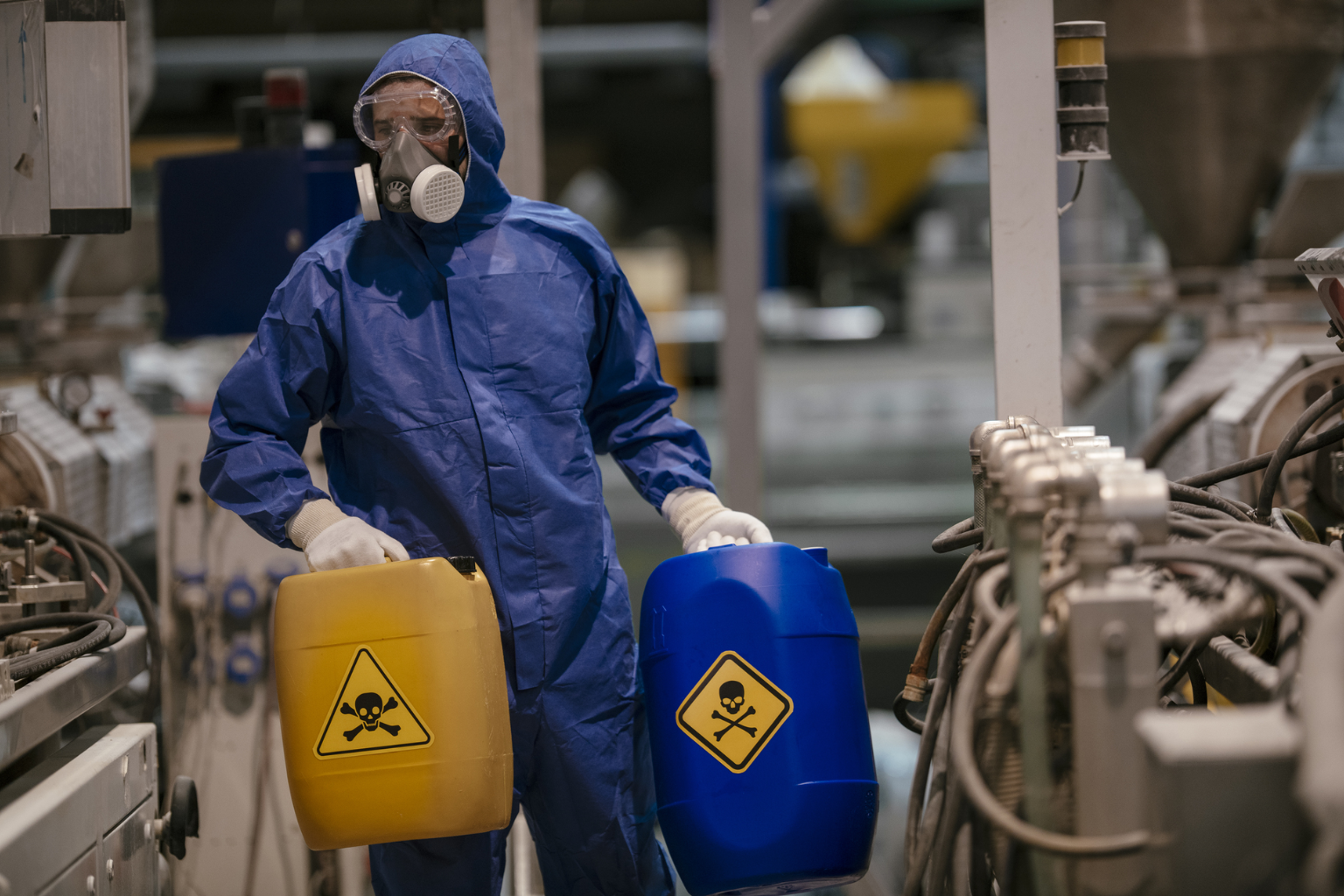
These teams arrive equipped—not just with tools, but with training. Protective suits, respirators, monitoring equipment, vacuum systems. They assess the substance involved, evaluate exposure risk, and implement cleanup procedures aligned with safety regulations.
Their approach isn’t rushed, even if time is critical. It’s methodical.
They know that haste without structure creates additional risk. So they stabilize first. Communicate clearly. Then begin remediation.
That discipline prevents confusion from turning into escalation.
Protecting People Comes First
Behind every hazardous incident are people—employees, contractors, sometimes nearby residents.
Immediate response prioritizes evacuation if necessary, medical evaluation if exposure is suspected, and clear communication to prevent misinformation.
Professional responders understand that safety isn’t just about neutralizing a substance. It’s about managing fear and ensuring that everyone involved knows what’s happening.
Transparent communication reduces rumors and restores calm more quickly than silence ever could.
The Importance of Safe Removal
Once containment is secured and immediate risks are stabilized, cleanup begins in earnest. This phase often involves safe removal of contaminated materials, damaged equipment, and absorbent waste.
Disposal isn’t a simple matter of hauling debris away. Hazardous materials must be classified correctly, documented, and transported to approved facilities. Chain-of-custody records matter. Regulatory reporting may be required within strict timeframes.
This structured removal process protects the organization legally and environmentally.
Cutting corners here might reduce short-term cost, but it increases long-term liability.
Why Planning Before the Incident Matters
The best time to plan for a hazardous event isn’t during one.
Facilities that operate responsibly often maintain spill kits, establish emergency contact lists, and conduct response drills. Employees know who to call and what initial steps to take before specialized teams arrive.
This kind of preparation doesn’t eliminate accidents—but it limits damage.
A trained worker who quickly isolates a spill can prevent thousands of dollars in cleanup costs.
Planning feels tedious when nothing has gone wrong. But when something does, it feels indispensable.
Regulatory and Environmental Responsibility
Environmental laws exist for a reason. Hazardous releases can contaminate soil, water, and air. They can disrupt ecosystems and pose health risks beyond facility walls.
Professional response teams are familiar with reporting requirements and documentation standards. They assist businesses in maintaining compliance while managing the immediate situation.
Regulatory compliance isn’t just about avoiding fines—it’s about demonstrating accountability.
Communities notice when companies respond responsibly.
The Financial Reality
Hazard incidents cost money. Cleanup services, temporary shutdowns, disposal fees, inspections. There’s no sugarcoating that.
But mishandled incidents cost far more.
Uncontained spills can damage infrastructure. Improper disposal can trigger regulatory investigations. Delayed response can amplify environmental impact.
Investing in structured response and removal services is often the difference between a contained expense and a long-term liability.
It’s not just about today’s cleanup bill. It’s about tomorrow’s operational stability.
The Human Factor
There’s something deeply human about how organizations handle crisis.
When leadership prioritizes safety over optics, employees notice. When communication is clear and proactive, trust builds rather than erodes.
Incidents test culture.
Facilities with strong safety cultures tend to respond faster and recover more effectively. They don’t hide mistakes. They address them.
And that integrity matters.
Learning from Every Event
Even well-managed incidents provide lessons.
Post-response evaluations often reveal small improvements—better storage labeling, updated inspection routines, improved training schedules.
Each incident becomes a catalyst for strengthening systems.
That continuous improvement mindset reduces future risk.
Final Thoughts
Hazardous material incidents are rarely predictable. They interrupt routines, demand immediate decisions, and carry real consequences.
But with professional containment strategies, coordinated emergency response, and careful removal procedures, they can be managed responsibly.
Preparation replaces panic. Structure replaces chaos.
And in environments where safety and compliance matter every day—not just during crises—that preparation makes all the difference.