Let’s not sugarcoat it—construction sites are messy, loud, chaotic places where the ground beneath your boots is often shifting, literally and figuratively. They buzz with machinery, echo with shouts, and carry the invisible hum of risk. But beyond the noise and the steel beams, there’s a more profound mission underway: making sure everyone gets home in one piece.
Construction isn’t just about concrete and cranes—it’s about people. And when you center people in the process, safety becomes more than just policy; it becomes personal.
The Real Face of Risk on the Job
If you’ve ever stood at a site at 6 a.m., coffee in hand, watching teams unload gear as the sun climbs up the skyline—you’ve seen it. The hustle. The precision. And occasionally, the near-misses.
From power tools that bite harder than they should, to scaffolding that creaks under too much weight, hazard identification isn’t just a task—it’s a constant mindset. It’s noticing the ladder that’s set on uneven dirt. It’s hearing the snap in a wire before the shock happens. It’s asking the question, “Is this safe?”—every single time.
But here’s the thing. You can’t fix what you don’t see. That’s why hazard spotting has to be proactive, not reactive. Train for it. Talk about it. Make it part of the rhythm of the day—not just a checklist before lunch.
The Myth of the Tough Worker
Let’s talk about something that doesn’t get said enough: toughness doesn’t mean recklessness. For too long, the culture in many trades has leaned into this idea that “real workers” don’t need to double-check gear or report issues. That mindset? It’s dangerous.
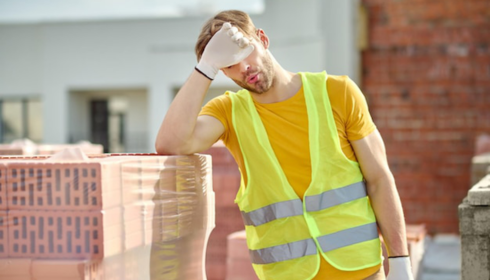
Worker protection isn’t about wrapping people in bubble wrap. It’s about giving them the tools, training, and empowerment to make good calls. Whether it’s the right helmet, high-visibility gear, or simply knowing when to speak up without fear of being called soft—protecting workers is the backbone of every successful site.
The best crews look out for one another. Not just because it’s policy—but because there’s a deep respect among those who build things with their hands.
Layered Safety: Not Just a Hard Hat
Here’s the deal: no one layer of protection is enough. You need redundancy. Visual cues. Physical barriers. Audible alerts. Digital backups. It’s not overkill—it’s survival engineering.
You wouldn’t drive a car without brakes, seatbelts, and airbags, right? The same logic applies on-site.
Create a culture where safety is part of every conversation. Toolbox talks shouldn’t feel like a formality—they should be an open forum. And they don’t need to be boring. Make it real. Share stories. Bring in field photos. Encourage crew members to call out risks before management does.
When people see themselves in the safety narrative, they’re more likely to buy in.
The Cost of Getting It Wrong
There’s the obvious cost: injuries, delays, lawsuits. But let’s not forget the deeper loss—trust. A single preventable accident can ripple through a crew, through a company, through a whole industry. Morale tanks. Reputation crumbles. And the project timeline? Out the window.
You can crunch the numbers, sure. But the human cost—lost income, family disruption, long-term trauma—those don’t show up on spreadsheets.
Safety isn’t just a strategy. It’s an investment in people and performance.
Empowering Workers at All Levels
It’s easy to assume safety belongs to supervisors or project managers. But truthfully, it belongs to everyone. From the apprentice on their first day to the seasoned welder with 30 years under their belt, each person has the right—and the responsibility—to speak up.
Create feedback loops. Offer anonymous reporting tools. Celebrate those who spot and correct issues. Turn safety into something visible, vocal, and shared. And don’t wait for the quarterly review—make it part of your daily rhythm.
The Role of Tech in Safer Builds
Let’s not ignore the role modern technology plays. Drones can scan for instability. Wearables can track fatigue. AI can analyze site patterns and predict accident hotspots. This isn’t the future—it’s now.
But don’t let tech replace intuition. Use it to support decision-making, not override it. At the end of the day, it’s still boots on the ground making the calls.
Rebuilding the Blueprint of Site Safety
The real shift happens when safety stops being a department and starts being a value. That’s when everything changes.
It’s in the way meetings start—with a quick round of “what’s one hazard you saw yesterday?” It’s in celebrating months without incident, not with pizza, but with real recognition. It’s in hiring people not just for their skill, but for their mindset.
On modern construction sites, the best leaders aren’t the loudest—they’re the ones who lead by example. They wear their gear right. They ask questions. They make space for others to speak. And they treat safety as a living, breathing part of the build.
Wrapping It Up (Without Wrapping in Red Tape)
Safety doesn’t need to feel like bureaucracy. It can be practical, personal, and even inspiring. Because when you create environments where people feel safe, they work better. They think clearer. They collaborate more.