Let’s face it—when you walk into an office building, hotel, or warehouse, you’re not thinking about the air. You don’t notice how comfortably cool it feels in summer or how cozy it is when winter hits. And that’s the point. When HVAC systems do their job right, they fade into the background like a dependable rhythm. But oh, when they don’t… everything falls apart.
For businesses, comfort isn’t just a luxury—it’s part of the brand experience. Employees, customers, even equipment rely on a balanced environment. And that’s where proactive HVAC care steps in—not just as a necessity but as a long-term investment.
Why Commercial HVAC Needs Its Own Game Plan
Running a business means wearing about a hundred hats, right? And while fixing an AC or heater might not seem top priority—especially when there are sales to hit or deadlines to crush—climate control quietly supports everything else. It impacts productivity, energy efficiency, even morale.
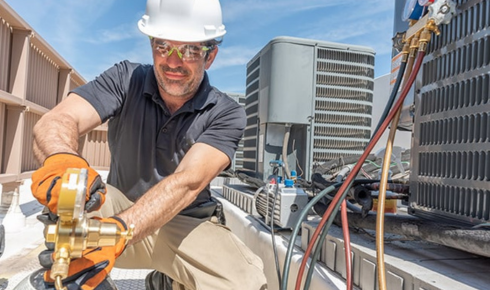
But here’s the catch: commercial systems are beasts. Bigger, more complex, and way more sensitive to neglect than their residential cousins. That’s why regular commercial AC maintenance isn’t something you “get around to.” It’s something you plan for—like taxes or audits. Not glamorous, sure. But non-negotiable.
Picture this: a midsummer Friday, lobby full of clients, and boom—AC crashes. Now you’re scrambling, sweating (literally), and fielding complaints. All because a filter wasn’t changed on time or coils weren’t cleaned last season.
It’s Not Just About Cooling
People often forget that HVAC isn’t just “the AC.” It’s also heat, air flow, ventilation, and air quality. In many industries—think hospitality, tech, food production—heat is a deal-breaker. And when the furnace sputters, you can’t exactly throw on a sweater and hope for the best.
That’s where commercial furnace repair becomes vital. Whether you’re dealing with a complete shutdown or weird noises in the ducts, ignoring the signs usually leads to bigger problems. Strange smells, inconsistent heating, rising energy bills—these red flags rarely solve themselves.
Honestly, furnaces work hard. And when something’s off, it usually means deeper issues are brewing. Heat exchangers crack. Blowers wear down. Sensors fail. Waiting too long to fix these can shut down entire sections of your business. Plus, if you’re in a region with freezing winters, you’re not just risking discomfort—you’re flirting with pipe damage, safety concerns, and liability issues.
Preventative Care = Peace of Mind
Let’s switch gears for a sec. Imagine if your car only went to the mechanic when it broke down on the highway. Sounds reckless, right? Yet businesses treat HVAC systems this way all the time.
The secret to HVAC longevity isn’t superhero tech—it’s boring, predictable, regular service. Cleanings. Tune-ups. Performance checks. These aren’t upsells—they’re insurance against expensive breakdowns.
A seasonal maintenance plan ensures your HVAC isn’t just running—it’s running efficiently. That means lower utility bills, fewer emergency calls, and a longer system lifespan. And let’s be honest: who doesn’t want to avoid replacing a rooftop unit prematurely?
Installation Isn’t a One-Size-Fits-All Job
So, what happens when repair just doesn’t cut it anymore? Maybe your unit’s ancient. Maybe it’s not up to new code standards. Or maybe your business has outgrown the system it once relied on.
That’s when you turn to heating installation contractors—the folks who know that HVAC installation isn’t about slapping a new box on the roof. It’s about design, load calculations, zoning strategies, and long-term planning.
A good contractor won’t just sell you a product. They’ll evaluate your building layout, occupancy patterns, insulation levels, and energy goals. They’ll talk ductwork, airflow, smart thermostats, and yes—budget. Because replacing an HVAC system is a major investment, but it doesn’t have to be a financial sucker punch.
Energy Efficiency Isn’t Just a Buzzword
Here’s a real-talk moment. The HVAC industry has come a long way. Today’s commercial systems are leaner, greener, and smarter than ever before. High-efficiency models can cut energy use by 30-50%, which isn’t just good for the planet—it’s great for your bottom line.
Want to go even deeper? Add zoning controls, programmable thermostats, and occupancy sensors. Integrate HVAC with your building’s automation system. Monitor usage patterns in real time. Suddenly, you’re not just “maintaining”—you’re optimizing. That’s how smart businesses stay ahead.
Don’t Wait for Things to Break
You know what’s more expensive than HVAC maintenance? HVAC emergencies.
Most breakdowns don’t come out of nowhere. They come after months (or years) of postponed service, clogged filters, overlooked noises, and overworked systems. The compressor doesn’t just die. It’s been warning you for weeks—you just didn’t listen.
Think of HVAC care like dental work. Regular cleanings are cheap. Root canals? Not so much.
Red Flags to Watch For
Not sure when it’s time to call a pro? Watch out for these telltale signs:
- Uneven temperatures across the building
- Weird smells (burning, mildew, chemical)
- Sudden spikes in utility bills
- Loud or unfamiliar noises
- HVAC system running non-stop (or short cycling constantly)
- Dust buildup or poor indoor air quality
Any of these could mean your system’s struggling. The sooner you act, the cheaper the fix.
Partnering With the Right Pros
When you’re shopping for HVAC help, look beyond the price tag. Experience, licensing, and reputation matter. Ask for references. Read reviews. Make sure they specialize in commercial systems (not just residential). Because trust me, there’s a difference.
A reliable partner will offer more than repairs. They’ll become part of your facility’s ecosystem—offering seasonal check-ins, smart upgrades, and honest advice when it’s time to replace.
Final Thoughts: Comfort Isn’t Optional
Running a business is tough. Margins are tight, and every decision counts. But the temperature inside your building shouldn’t be a variable.
Your HVAC system might not be flashy. It might not win awards or get mentioned in quarterly reports. But it quietly supports everything you do—every sale, every shift, every client interaction.
So whether you’re looking into commercial AC maintenance, navigating a stubborn furnace issue, or comparing heating installation contractors, just remember: this stuff matters.
Invest in it. Plan for it. Respect it.
Because when it works, no one notices. And that’s exactly how it should be.