There’s something deceptively simple about having clean water at home. You turn on the tap, pour a glass, and it just works. No fuss, no smell, no questionable taste. But beneath that simplicity lies a system that quietly works behind the scenes: your water filter. And while it’s easy to take it for granted, ignoring it can lead to less-than-ideal water quality or even damage to your appliances. One of the most common questions homeowners ask is, “how often to replace water filter?” And truthfully, the answer isn’t always straightforward—it depends on usage, water quality, and the type of filter you have.
When I first installed a water filtration system, I assumed it was a set-and-forget device. I figured it could last forever as long as water continued flowing. Within a few months, I noticed a subtle change: the water didn’t taste as crisp, and the coffee seemed a little off. That’s when I realized how crucial timing is in maintaining a healthy filter system. Not replacing it when necessary can compromise not just taste, but also the efficiency of your whole water system.
Why Timely Replacement Matters
Water filters do more than just improve taste. They remove contaminants, sediment, chlorine, and sometimes heavy metals or bacteria depending on the type of filter. Over time, the filter media becomes saturated, and its ability to clean water diminishes. Using an old or clogged filter is essentially like running water through a sieve filled with dirt—it may look clean, but it isn’t as safe or refreshing as it should be.
Knowing how often should i change my water filter helps protect your family’s health and extends the life of your plumbing and appliances. A saturated filter can strain appliances like refrigerators, under-sink systems, or ice makers, and in some cases, stagnant water in an old filter may even become a breeding ground for bacteria. Regular replacements keep your system efficient, maintain water flow, and ensure optimal water quality every time you fill a glass.
Understanding Different Filter Types
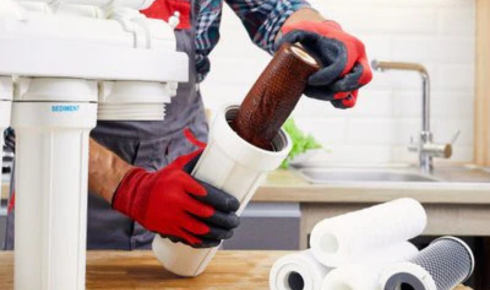
Not all filters are created equal, and their lifespan varies significantly. Carbon filters, common in pitchers and under-sink systems, usually last three to six months depending on usage and water quality. Reverse osmosis systems may have multiple stages, with sediment and carbon pre-filters often needing replacement more frequently than post-filters or RO membranes. Whole-house filters designed to treat large volumes of water might last six months to a year or more, depending on the water hardness and sediment load.
Even within these categories, local water quality plays a huge role. If your tap water contains high levels of sediment, chlorine, or other contaminants, filters can become saturated faster. That’s why paying attention to manufacturer recommendations—and your own observation—is key. Sometimes, a filter might need changing sooner than the suggested schedule, and other times it could last a little longer without compromising water quality.
Signs Your Filter Needs Changing
While schedules are helpful, it’s equally important to watch for signs that a filter is no longer performing optimally. These can include:
- Reduced water flow or pressure
- Strange taste or odor in your water
- Cloudy or discolored water
- Noticeable buildup in appliances, like coffee makers or ice machines
Recognizing these warning signs and acting promptly can save you headaches. The subtle hints often appear before the filter’s recommended lifespan is reached, reminding you that real-world usage doesn’t always match theory.
Making a Replacement Routine
To stay on top of water filter maintenance, some homeowners prefer a strict calendar approach—replacing every three or six months depending on the filter type. Others take a more observational approach, checking for taste, odor, and flow changes before deciding. Personally, I like combining both strategies: I set a calendar reminder based on the manufacturer’s estimate, but I also monitor the water quality to catch any unexpected issues.
Many modern filtration systems have indicators or alerts built in, making it even easier. These reminders take the guesswork out of scheduling, ensuring you never overlook how often should i change water filter for your system. For systems without built-in reminders, simply marking the installation date on a calendar or using a smartphone reminder works surprisingly well.
The Environmental and Financial Angle
Regularly replacing water filters may seem like a small inconvenience, but it’s worth considering the broader impact. Using a saturated filter not only compromises water quality, but it can also reduce system efficiency, causing higher energy consumption in appliances or forcing more frequent repairs. In contrast, timely replacements maintain optimal performance, reducing wear and tear and saving money in the long run.
From an environmental standpoint, properly disposing of old filters and recycling when possible minimizes waste. Some manufacturers offer recycling programs for spent filters, helping to reduce landfill contribution. Making this a habit ensures that your clean water routine doesn’t come at the cost of environmental responsibility.
Tips for Extending Filter Life
While replacement is inevitable, there are ways to maximize the lifespan of your filters:
- Pre-Filter Sediment: If your water has a lot of sediment, consider a pre-filter to capture large particles before they reach the main filter.
- Regular Flushing: Running water through new filters before initial use and periodically throughout their life helps prevent clogging.
- Monitor Usage: Track how much water your household uses, especially during peak consumption periods, as heavy use shortens filter life.
- Follow Manufacturer Guidelines: While real-world usage matters, recommendations are based on extensive testing and provide a reliable baseline.
By combining these strategies with a replacement schedule, you can keep water quality high while avoiding unnecessary expenses.
Personal Experience: Why I Stick to a Schedule
In my household, we use a combination of under-sink and pitcher filters. At first, I didn’t pay much attention to replacement timelines, thinking I’d notice when water quality changed. After a few minor incidents—like a slightly metallic taste in morning coffee—I realized that relying solely on observation wasn’t enough. Now, I track installation dates and replace filters proactively.
Following a schedule ensures we never run into surprises, and water quality remains consistently high. I can’t overstate the difference this makes—not just for taste, but for the peace of mind that comes with knowing my family’s water is safe. It’s a small effort that makes a big difference in daily life.
Final Thoughts
Understanding how often to replace water filter isn’t just a matter of following instructions—it’s about maintaining health, efficiency, and quality of life. Each system is different, and factors like filter type, water quality, and household usage all influence lifespan. Observing changes in flow, taste, or odor, combined with following manufacturer guidelines, ensures optimal performance.